Why a Commercial Milk Frother is a Game Changer for Your Café
10 ways a commercial milk frother can improve the profitability of your coffee business.
The art of creating and serving great coffee has continued to evolve, and customer expectations are now at an all-time high. Today’s guests expect more than a great-tasting drink. They also expect consistent quality, greater choice and fast service, even during the busiest periods.
For café owners, meeting those expectations while managing rising labor, ingredient and operating costs is becoming increasingly challenging. Milk preparation plays a bigger role in this equation than many businesses realize. It can affect service speed, drink consistency, staff training, milk waste and the number of beverages a café can sell during peak periods.
That is where a commercial milk frother can become a serious business advantage.
Automating milk preparation is not only about producing high-quality milk foam.
Real operators using Latte Art Factory have reported:
30% higher revenue across 5 to go locations with Latte Art Factory
Drink production doubled from 150 to 300 drinks per hour at 5 to go
63% shorter peak wait times at Loungers
25% less milk waste at 5 to go and Societe locations
5,800 litres of milk and €5,800 saved annually at Caffeine
From increasing capacity and controlling costs to simplifying training and expanding the menu, here are ten ways a commercial milk frother can help strengthen your business.
1. Deliver Consistent Quality Across Every Shift and Location
Customers expect their favorite drink to taste the same regardless of the day, location or employee preparing it.
Manual milk steaming can vary according to experience, technique, milk type and workload. Automated milk preparation allows operators to store parameters for quantity, temperature and texture, helping teams execute the intended recipe repeatedly.
Société, a premium café concept within Excelso Coffee in Indonesia, initially introduced LAF at one location before expanding it to all three outlets. Preset programs help its baristas maintain beverage standards while simplifying service. Société also reported milk-waste reductions of up to 25%.
As one Société barista explained: “The taste stays consistent every day. It makes our workflow easier and keeps quality high.”
For chains and multi-site operators, stored recipes can help turn a centrally developed beverage standard into something teams can execute across the network.
2. Serve More Customers During Peak Hours
Thinking of when you’ll experience your busiest rushes? The morning commutes? Lunch time hour? Either way, you don’t want to keep your customers waiting because of course, efficiency is key.
When orders begin to stack up, manual milk steaming can become one of the biggest bottlenecks of the coffee workflow.
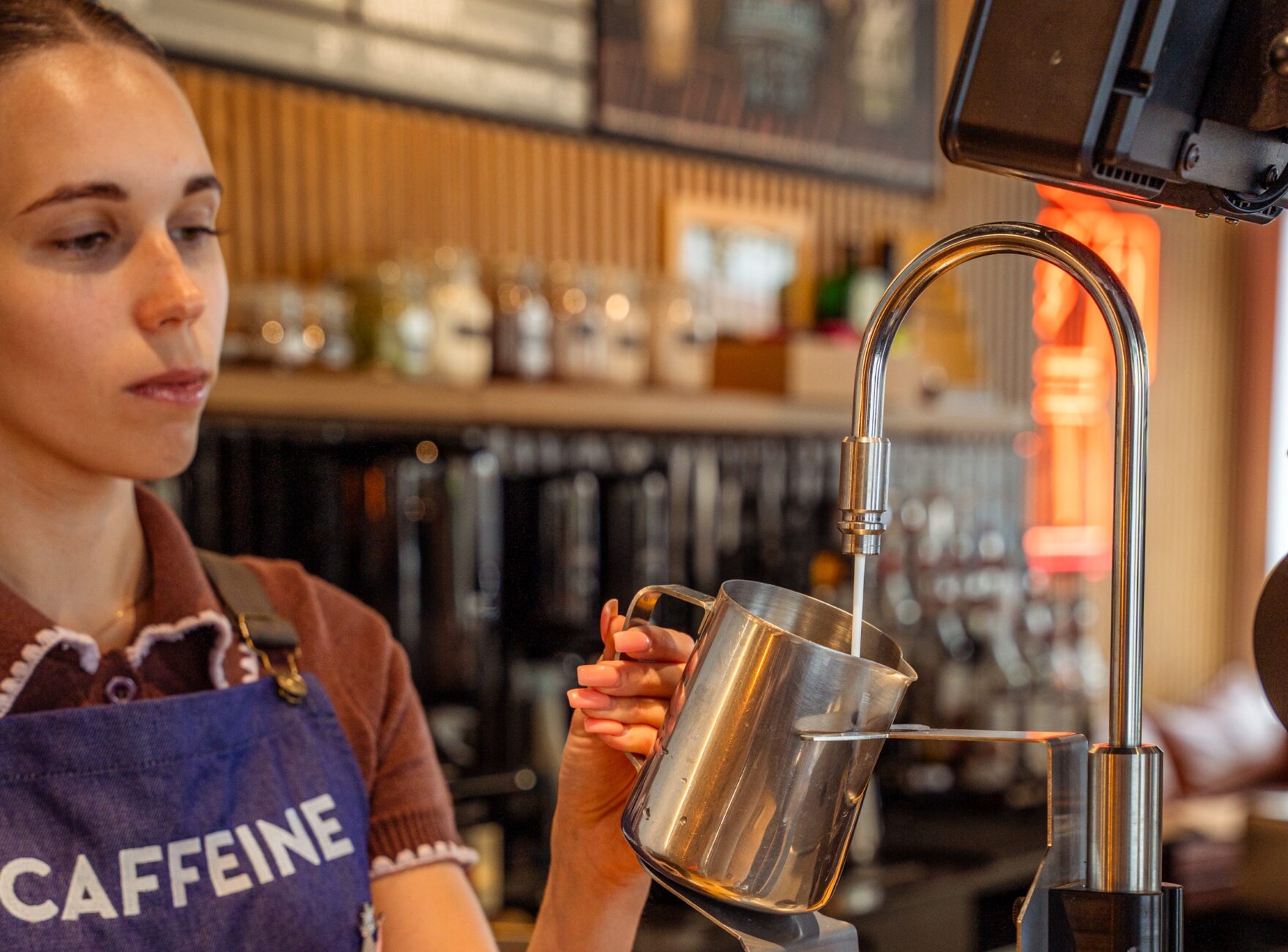
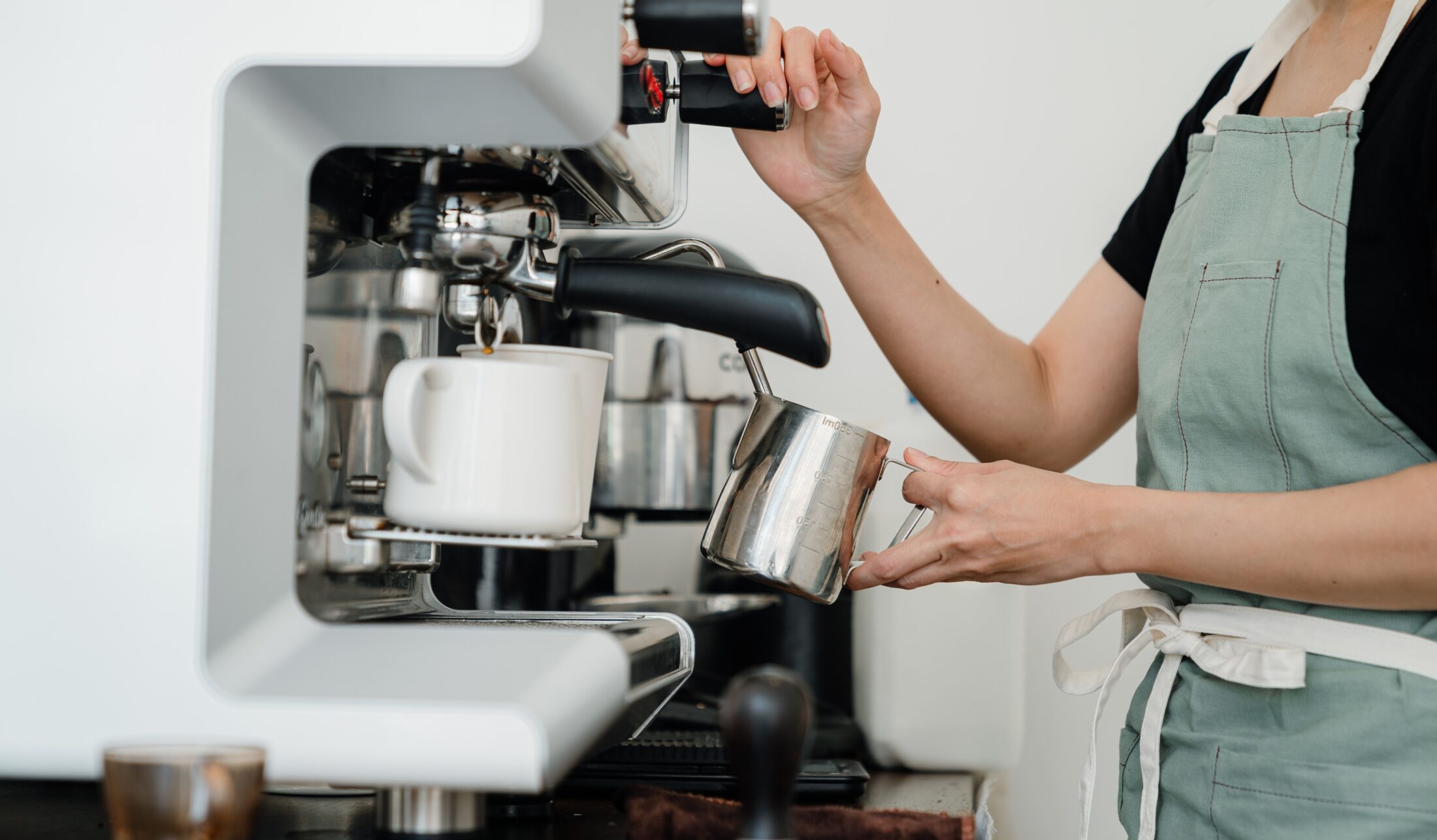
The Latte Art Factory commercial milk frother prepares milk while the barista handles espresso shots, presentation or the next order. This means several parts of the beverage can be prepared simultaneously rather than sequentially. This enables you to quickly create the perfect latte for customers who don’t have time to wait, which is crucial for long-term success.
At one 5 to go location, peak milk-based beverage production doubled from 150 to 300 drinks per hour.
For a busy café, greater capacity can mean shorter queues, more completed orders and less pressure on the team.
3. Reduce Customer Wait Times
Long wait times for beverages can discourage customers from visiting during your busiest periods.
At high-volume Loungers locations, peak wait times reached 24 minutes. With Latte Art Factory, those waits were reduced to nine minutes, representing a reduction of approximately 63%. At 5 to go locations with Latte Art Factory, wait times were cut in half.
The difference came from removing milk preparation as a major workflow bottleneck. While the automatic milk frother prepared the milk foam, baristas could continue working on pulling espresso shots and other parts of the order.
For cafés, restaurants, hotels and event venues, faster milk preparation can help create a smoother service experience without sacrificing quality.
4. Increase Beverage Revenues
Milk automation should not be viewed only as a way to save time. In the right operation, additional capacity can also create new revenue opportunities.
At 5 to go, milk-based drinks represent 85% of coffee sales, making milk preparation an essential part of the chain’s business model. More than 100 of its 500 locations now use Latte Art Factory.
Locations with Latte Art Factory reported a 30% increase in revenue, while one location reported 54% year-over-year growth after introducing LAF.
Individual results will depend on factors such as location, sales volumes, percentage of milk-based drinks, pricing and menu mix. However, the 5 to go experience demonstrates the potential of removing a capacity constraint from a coffee chain.
5. Significantly reduce training costs and dependence on skilled baristas
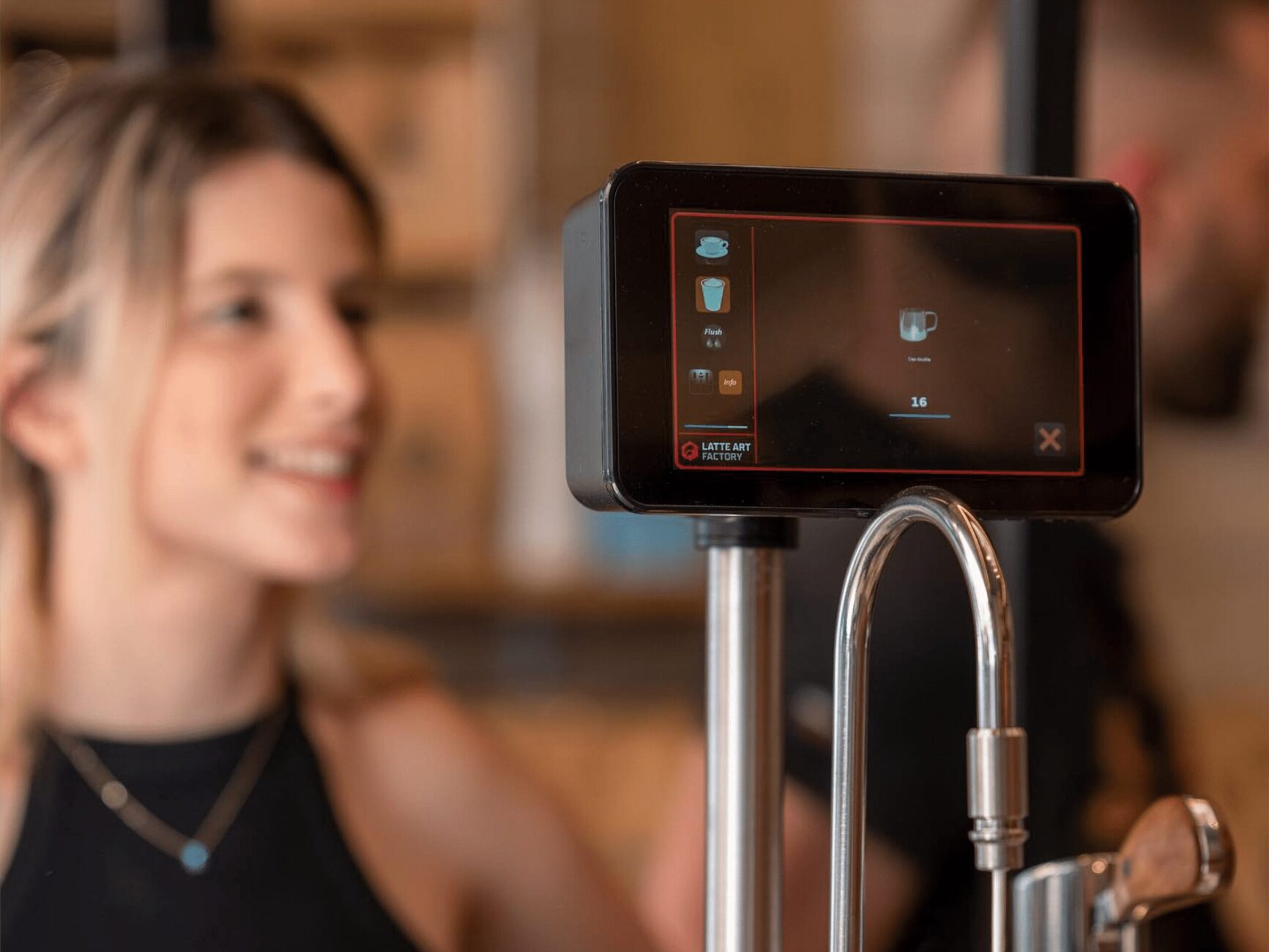
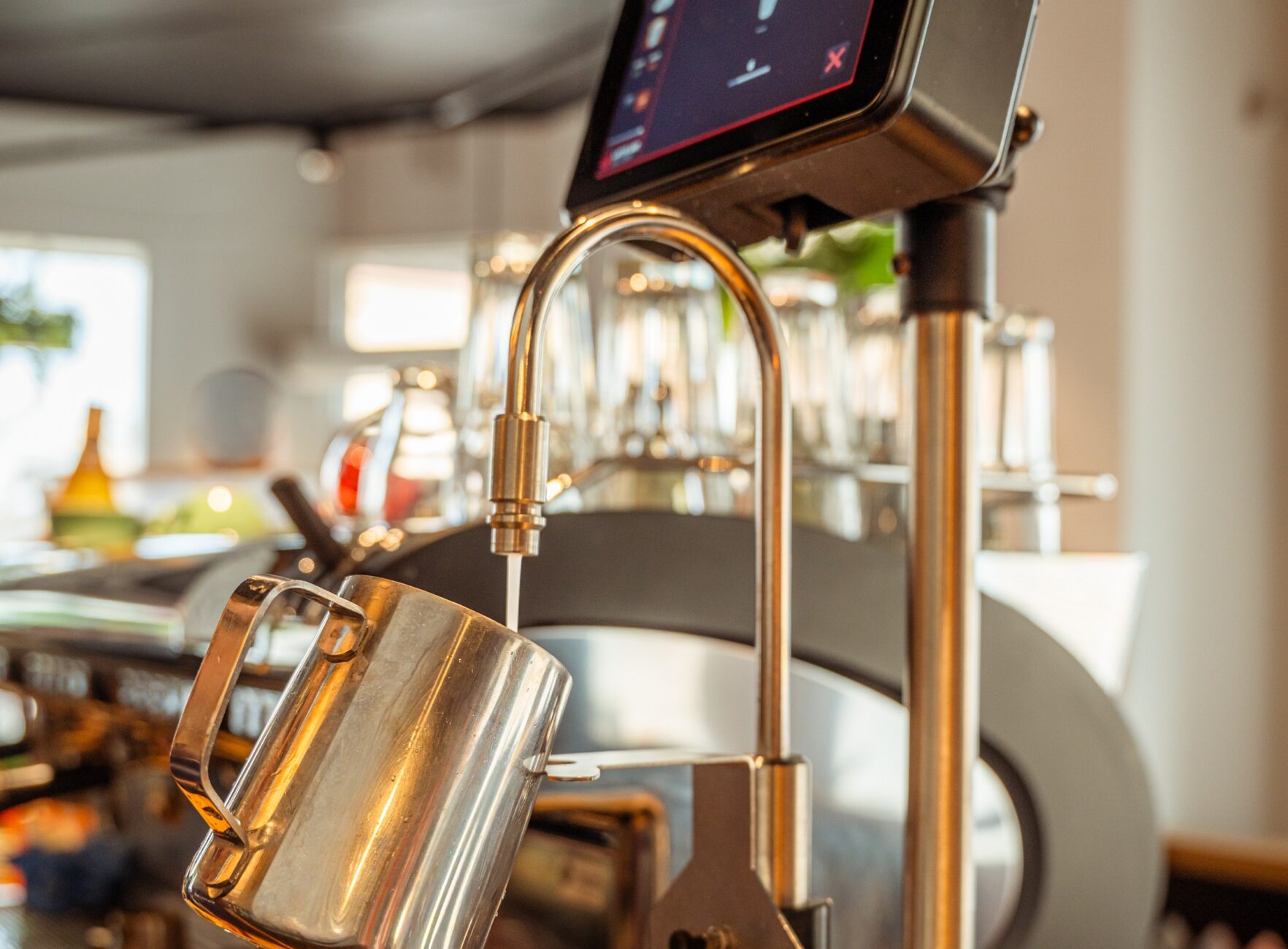
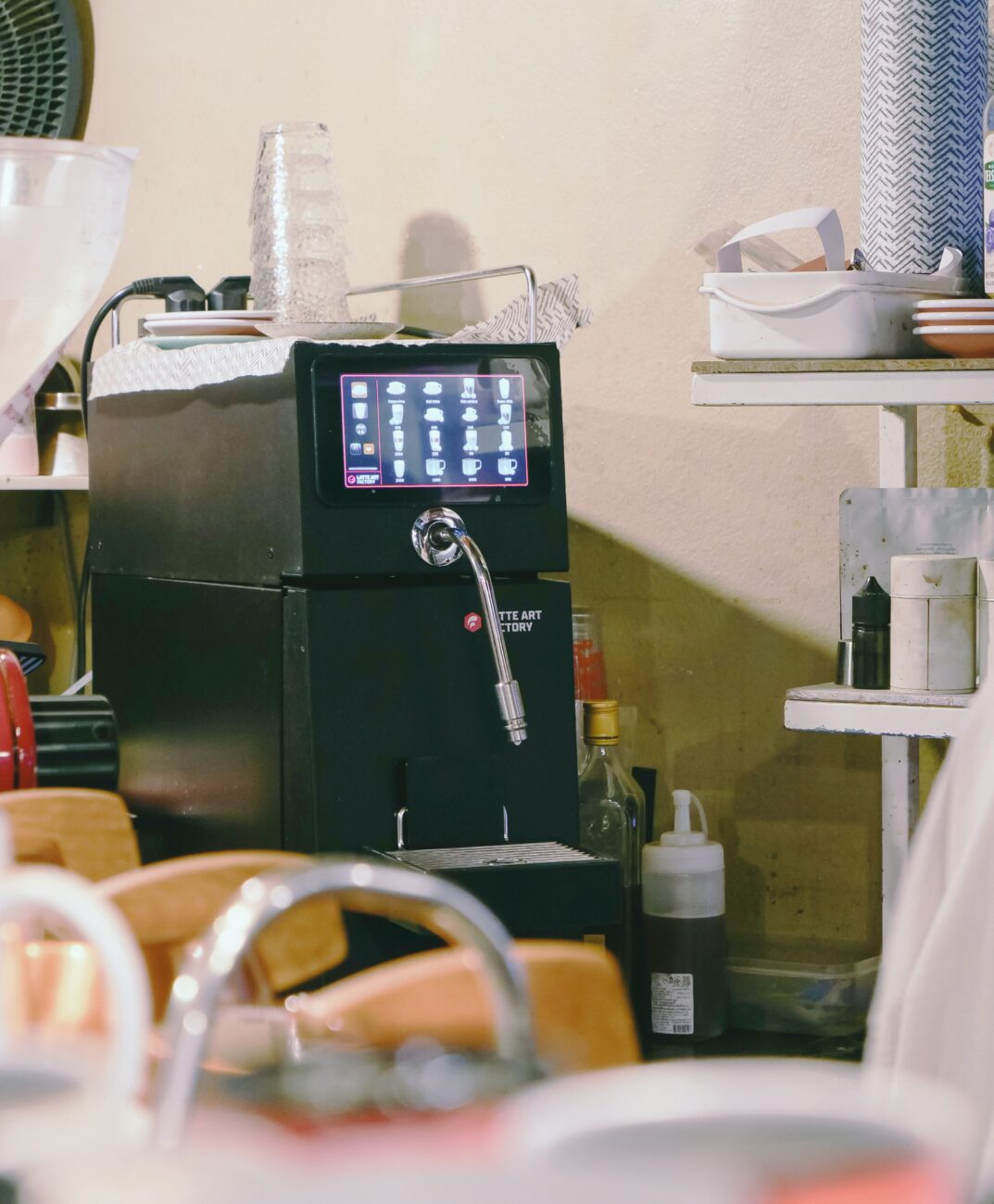
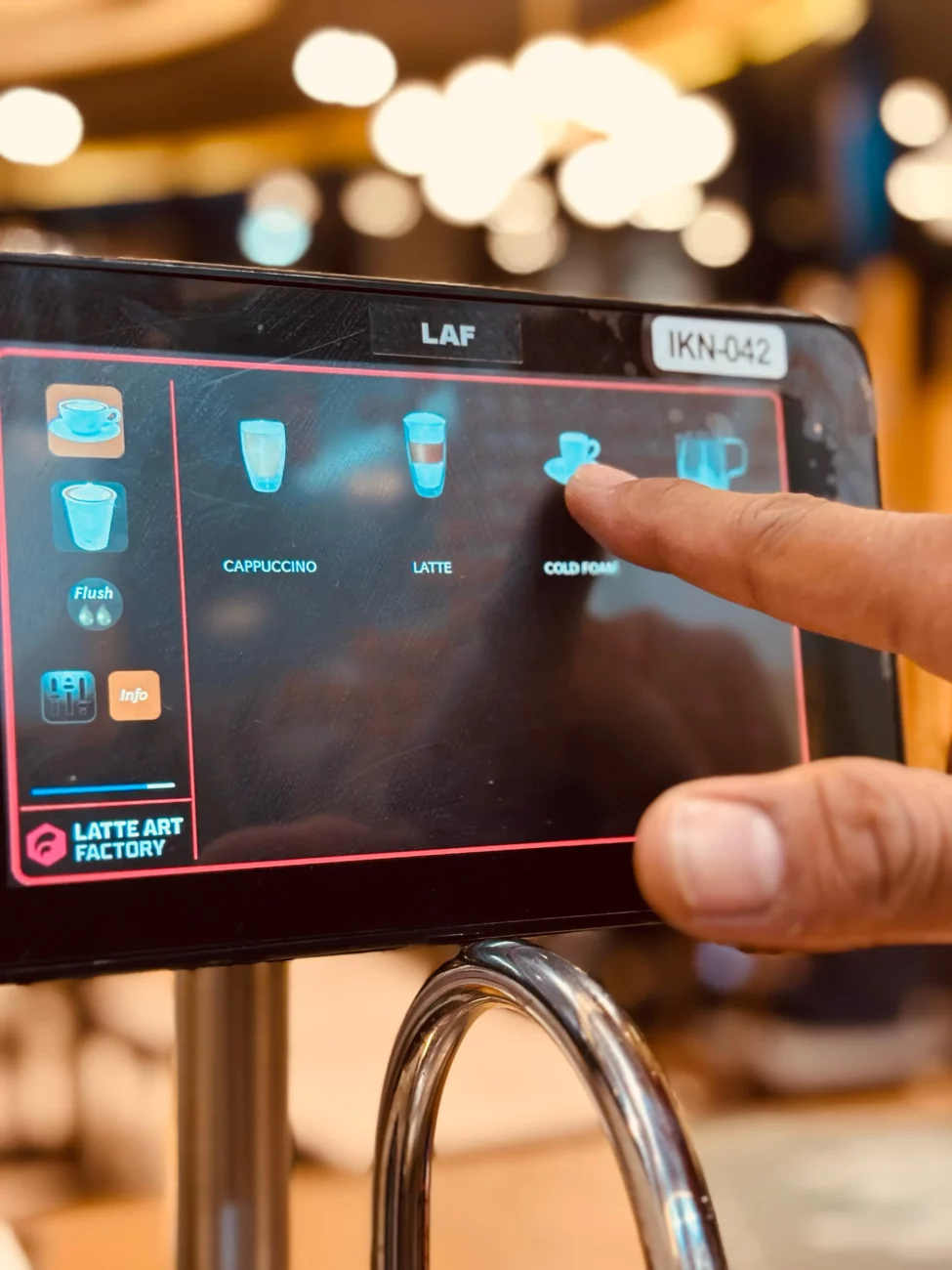
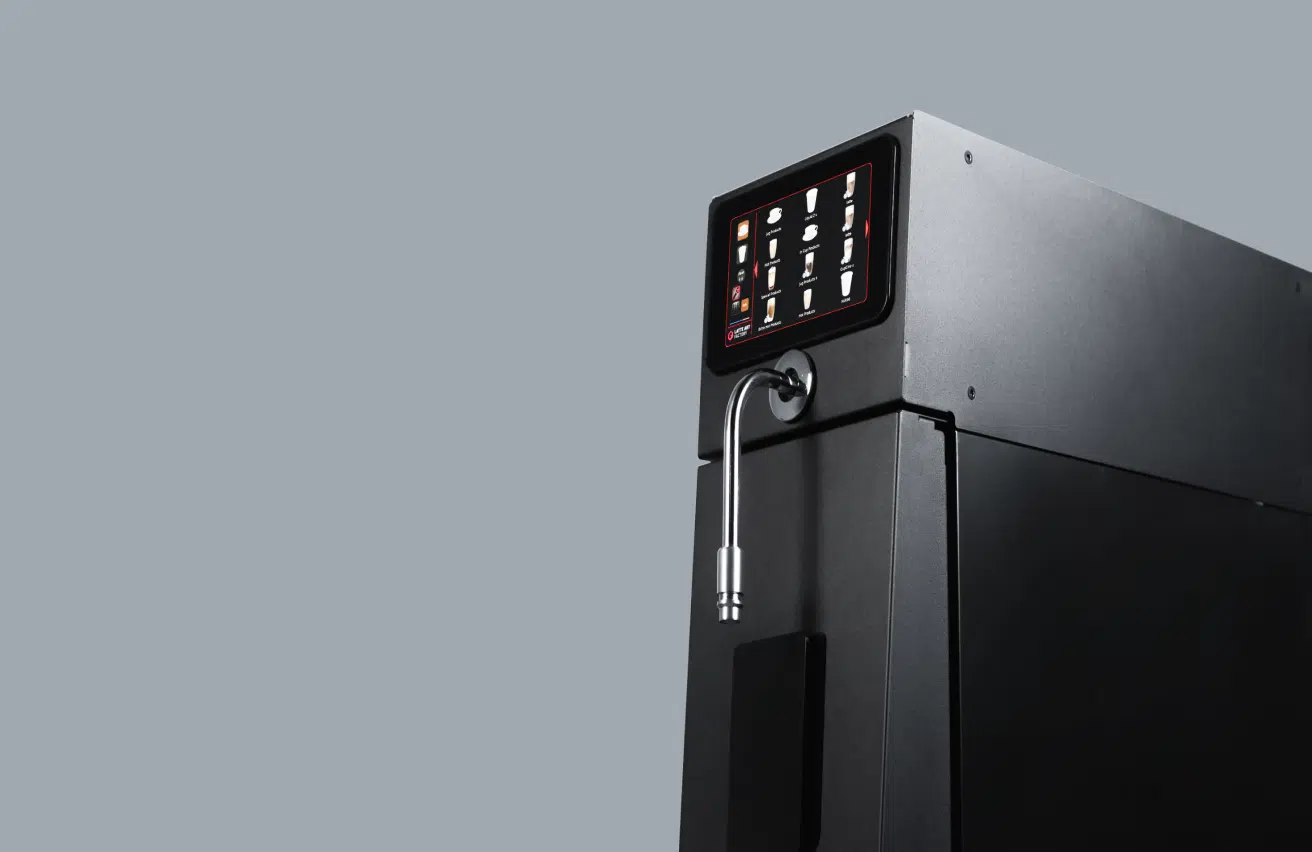
In the past, making great quality milk foam required highly trained and experienced baristas. When you implement the Latte Art Factory milk frother into your business, there is very little setup or training required. Thanks to the digital touch screen, our machine allows you to make any milk foam at any time, with ease. Cold drinks, hot drinks and latte art ready milk foam can be created at the push of a button.
This becomes especially useful for businesses with high employee turnover, limited access to skilled baristas or team members responsible for several different tasks. Our machine comes in handy by allowing for cafes to hire less experienced baristas to make coffees with the perfect foam, temperature and taste every time.
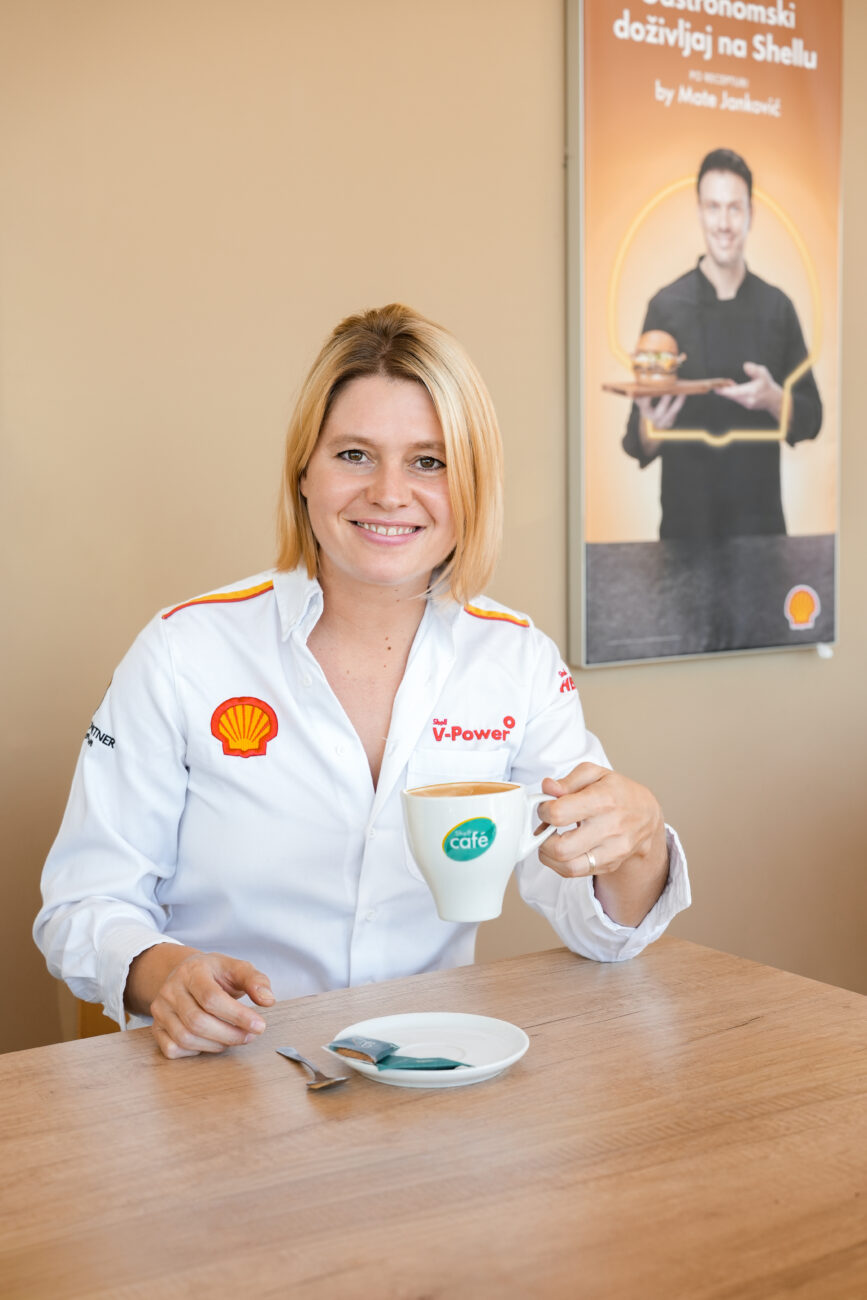
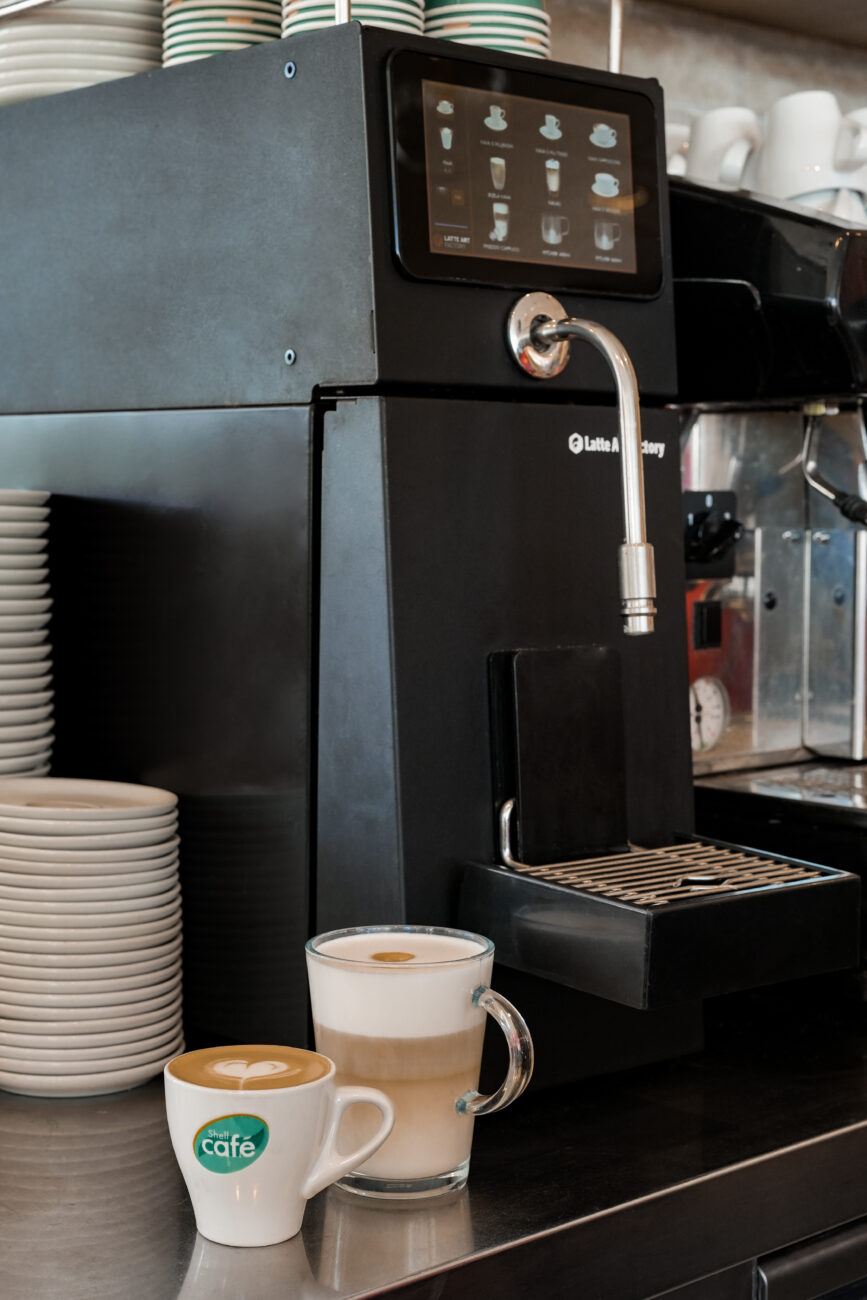
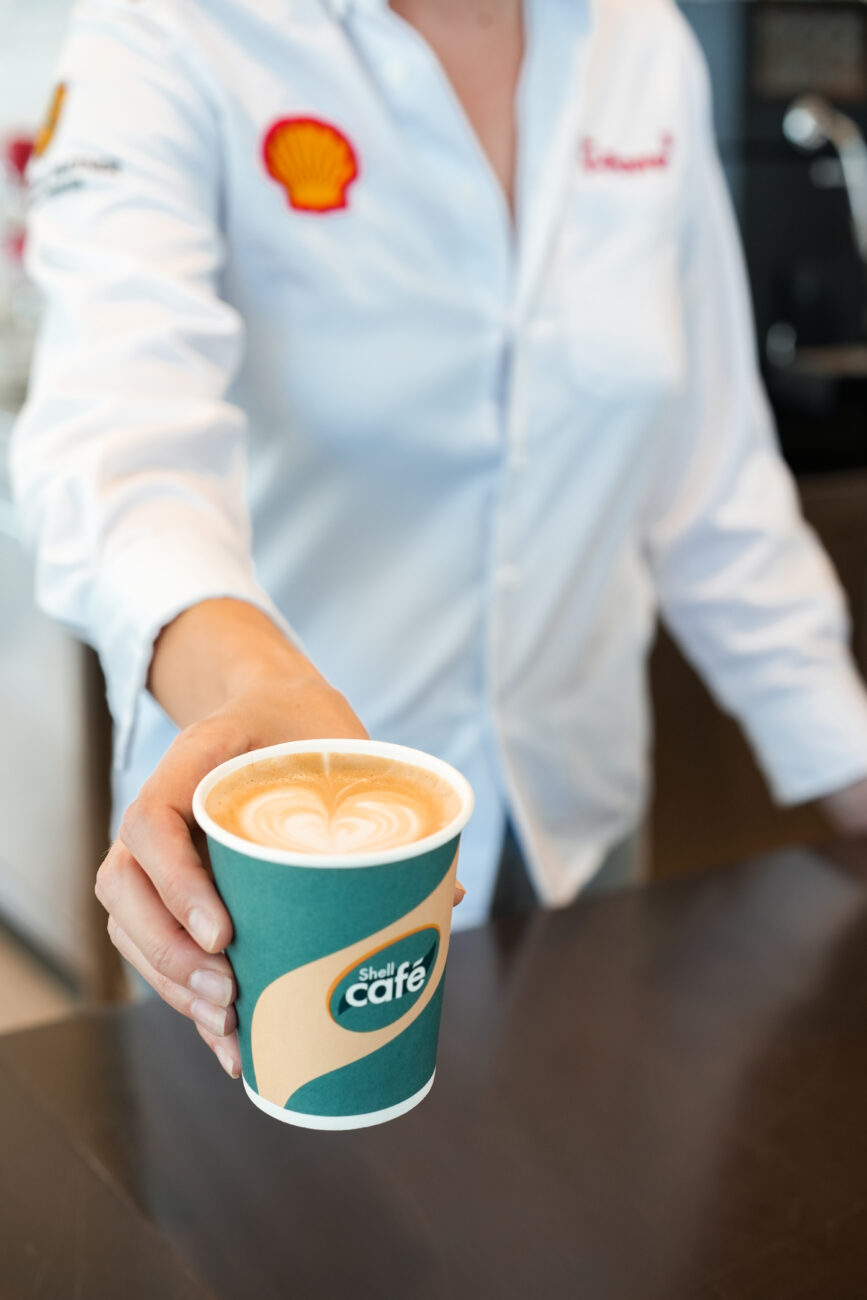
At Shell Café, employees prepare food, operate the till, support customers and make beverages. Around 80% of coffee orders are milk-based, but most employees are not baristas.
With Latte Art Factory installed at more than five busy locations, Shell Café simplified training and made milk preparation easier for employees across different experience levels. Shell Café also reported more repeat visits and increased loyalty-program engagement after implementing LAF.
In temporary environments such as festivals, events and pop-ups, simplified preparation can be even more valuable because businesses have limited time to train their stafff.
Automated milk preparation does not remove the barista from the experience. Instead, it shifts the staff’s attention away from repetitive tasks and towards presentation and customer service.
6. Turn better quality and service into stronger customer loyalty
Customers return when they know they can rely on both the drink and the experience.
Consistent milk texture, temperature and recipe execution help ensure that a customer’s favorite beverage tastes as intended every time, regardless of who is working or how busy the café becomes. That reliability builds trust in the café and its brand.
Shell Café Croatia wanted to raise customer expectations of what coffee from a gas station café could be. After introducing Latte Art Factory at more than five of its busiest locations, Shell Café reported:
More consistent milk texture and temperature
More repeat visits
Increased loyalty-program engagement
Faster workflows during peak periods
Reduced training requirements
Customers noticed the improvement in coffee quality and began returning more frequently.
As Lana Trampus, Gastro Category Manager at Coral Croatia, explained: “We see more repeat visits and hear from customers that our coffee tastes better than ever. They come back for the quality, even at a gas station café!”
When your staff spends less time manually steaming milk, they have more time to:
Welcome and engage with customers
Keep orders moving during rush hours
Improve drink presentation
Answer questions and recommend beverages
Upsell premium, seasonal or signature drinks
Maintain a cleaner and more organized service area
A commercial milk frother therefore supports loyalty in two connected ways: it helps deliver a reliable drink and gives the team more time to deliver better service.
7. Expand Your Menu and Bring Signature Drink Ideas to Life
A commercial milk frother can support far more than traditional lattes and cappuccinos. Variety is king when it comes to serving your customer. That’s before you even dive into the different milk alternatives you can offer.
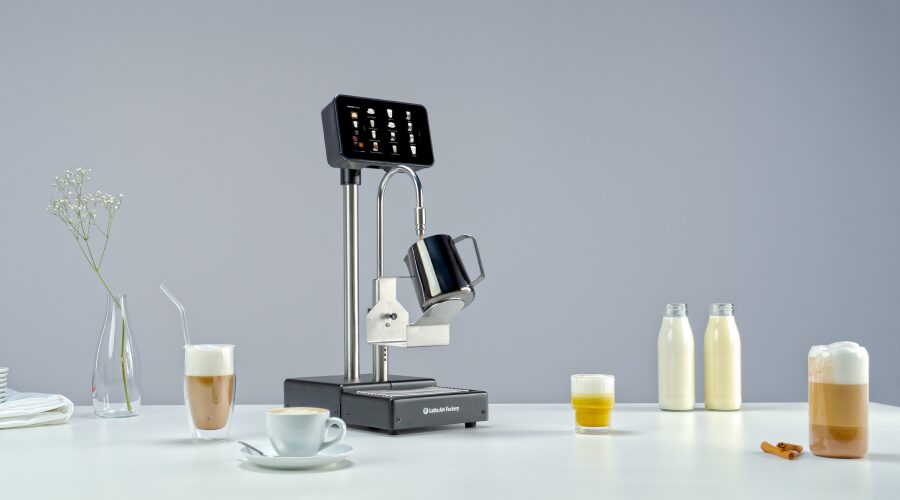
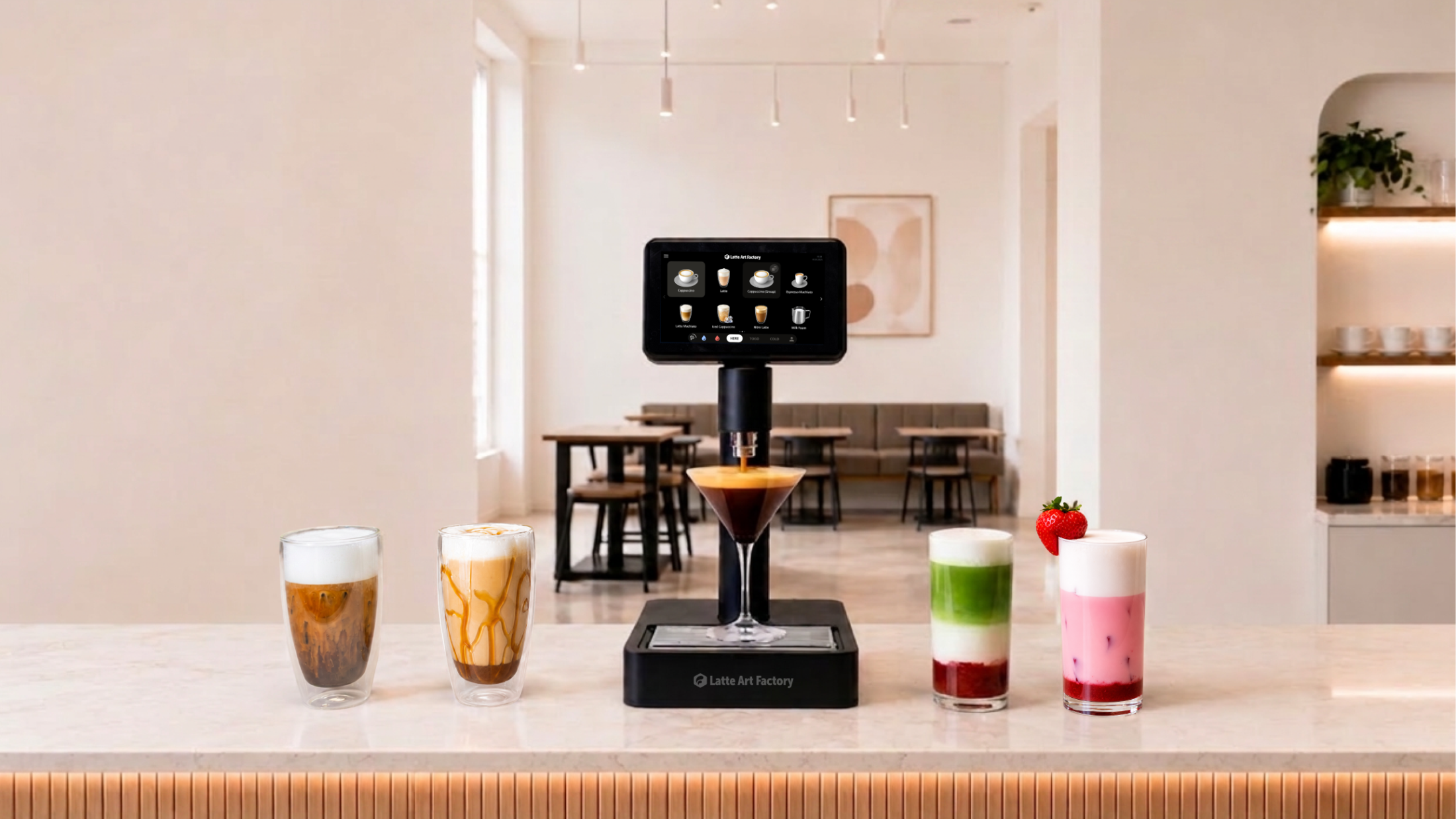
Latte Art Factory can prepare hot and cold foam with dairy and plant-based milk. It can also support menu categories such as:
Cold foam beverages
Nitro cold brew
Plant-based specialties
Seasonal recipes
Signature drinks
This flexibility can help cafés respond to changing customer preferences without creating an entirely separate manual process for each beverage category.
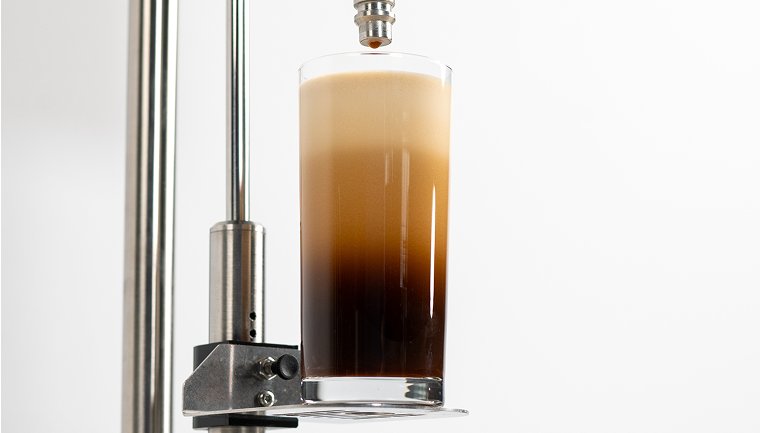
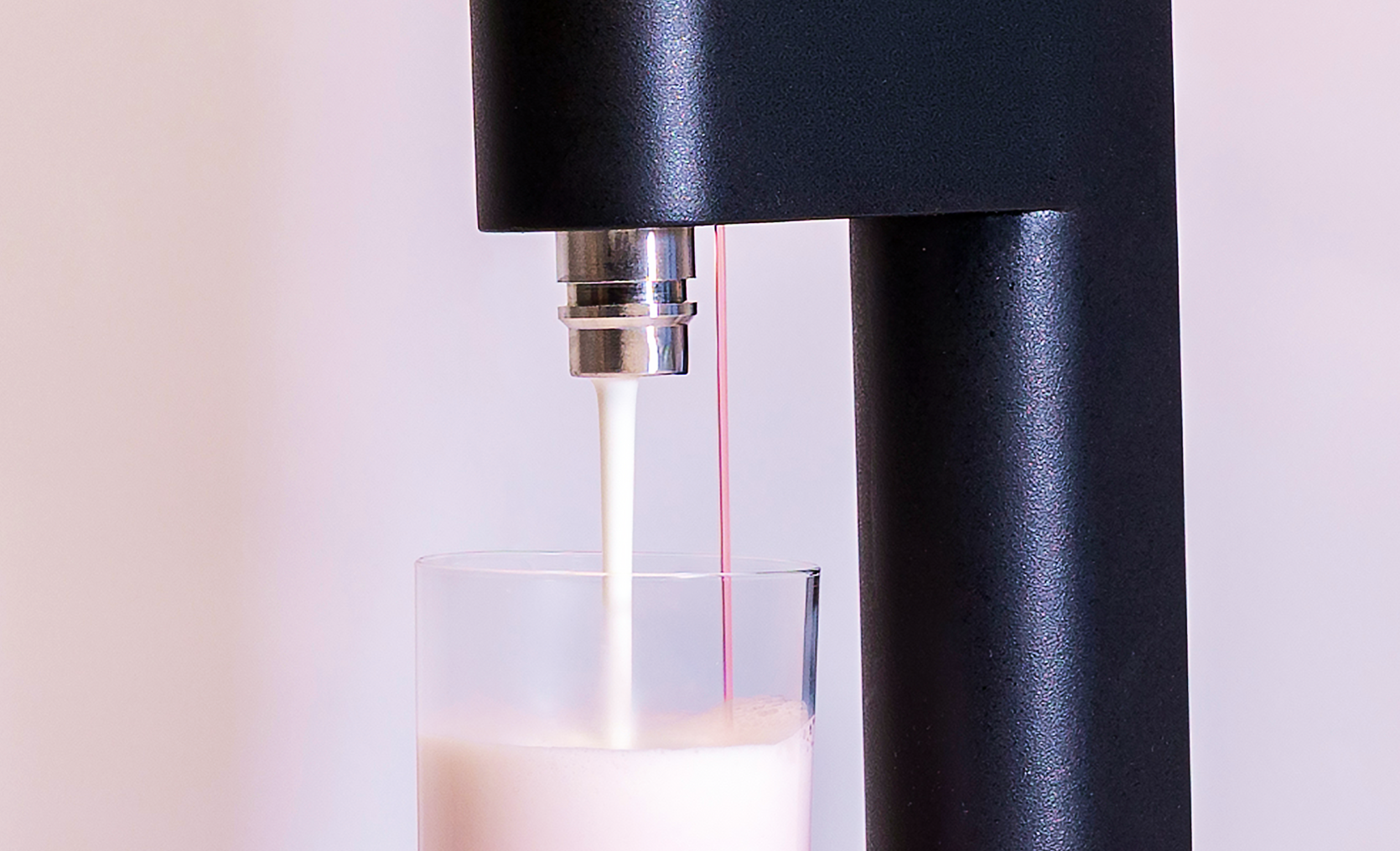
Using patented air-based foaming technology instead of traditional steam injection, the Latte Art Factory creates both cold and hot milk textures with high consistency. It also naturally infuses beverages with nitrogen from the air, delivering the creamy texture and distinctive nitro effect in cold brew drinks.
These beverages typically command higher price points and stronger profit margins than traditional coffee offerings, helping cafes drive premiumization, increase average order value, and differentiate menus with signature beverages.
LAF can also help cafes create drinks that would be difficult to execute manually across different employees, shifts and locations.
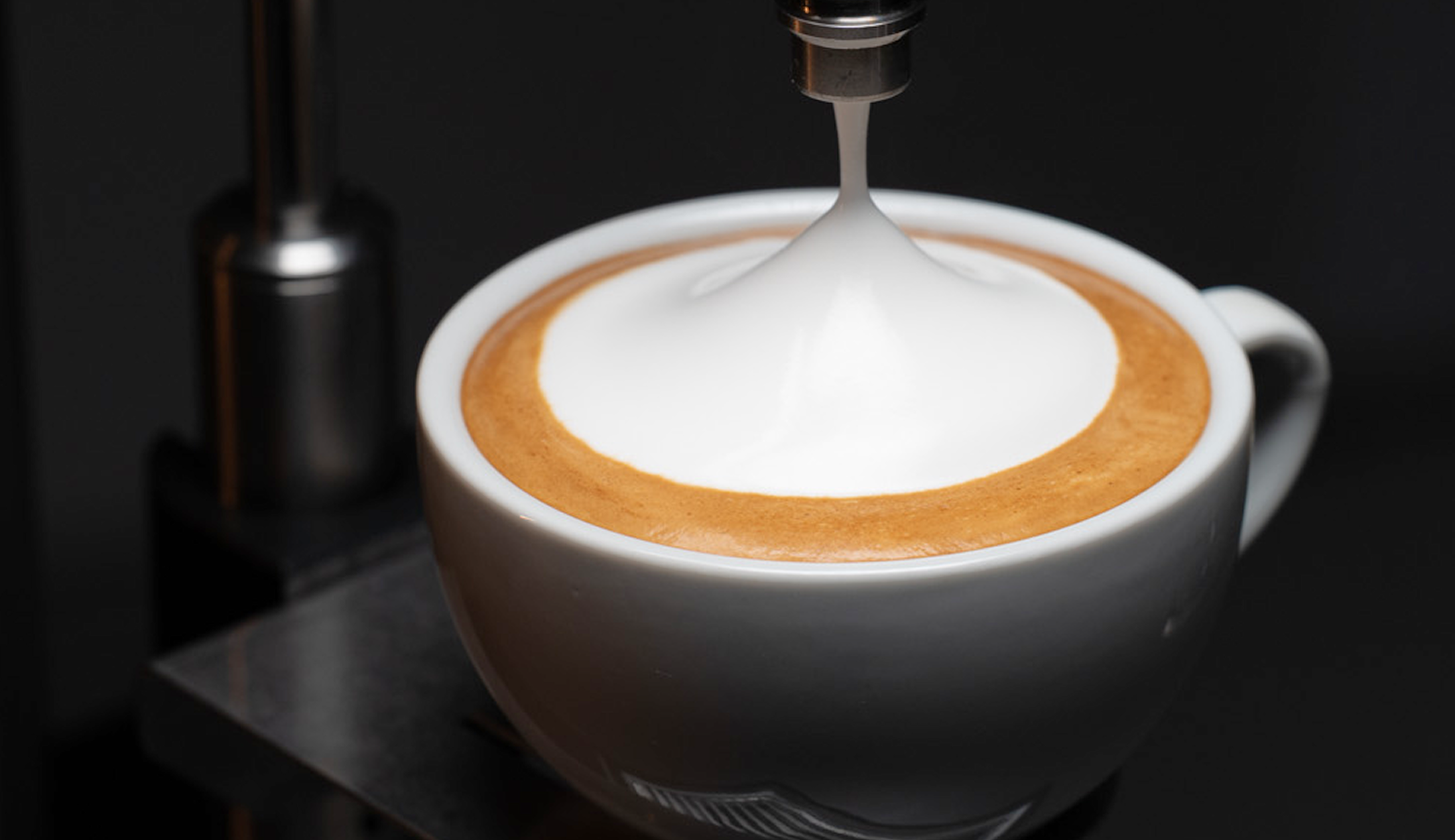
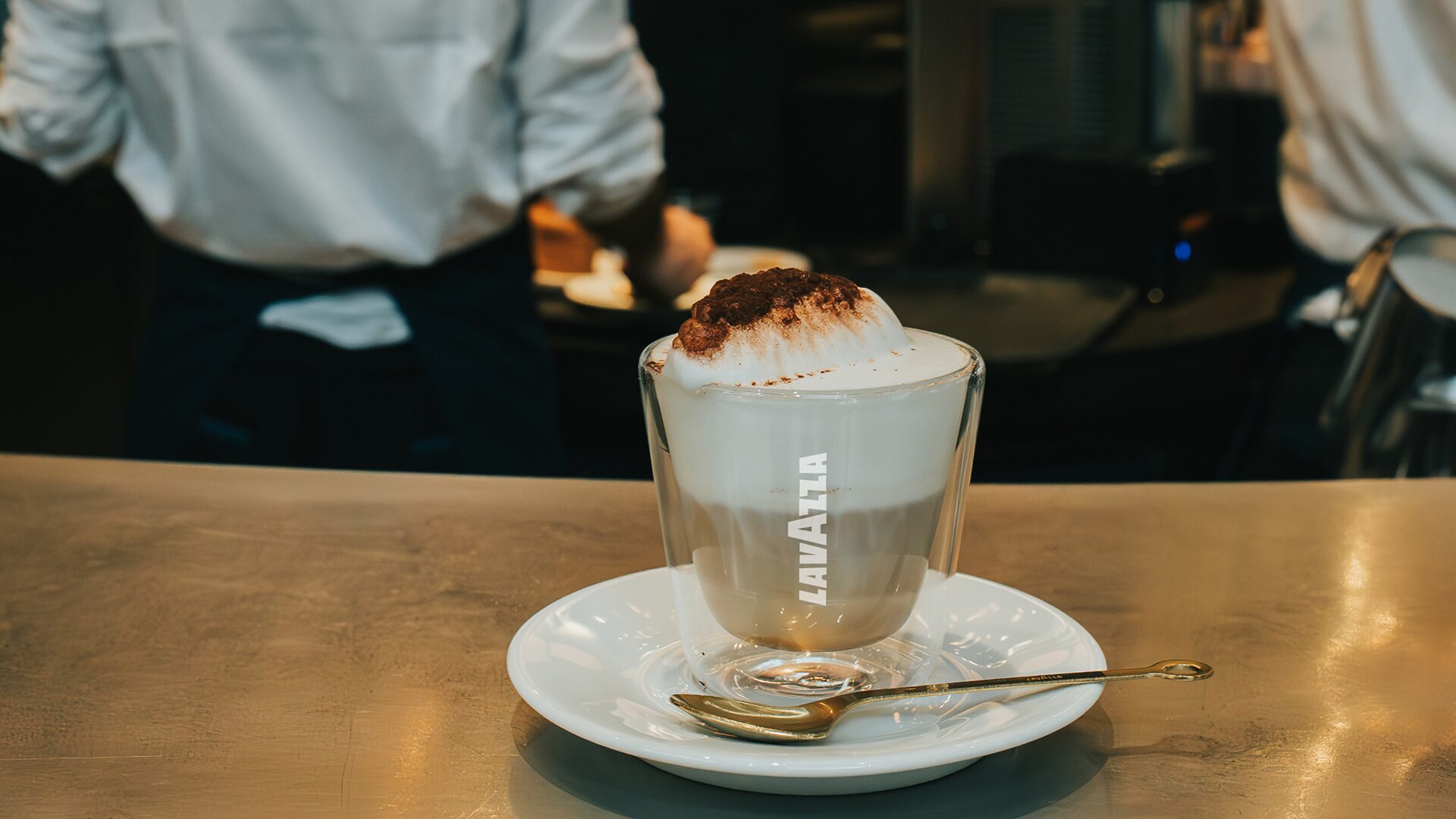
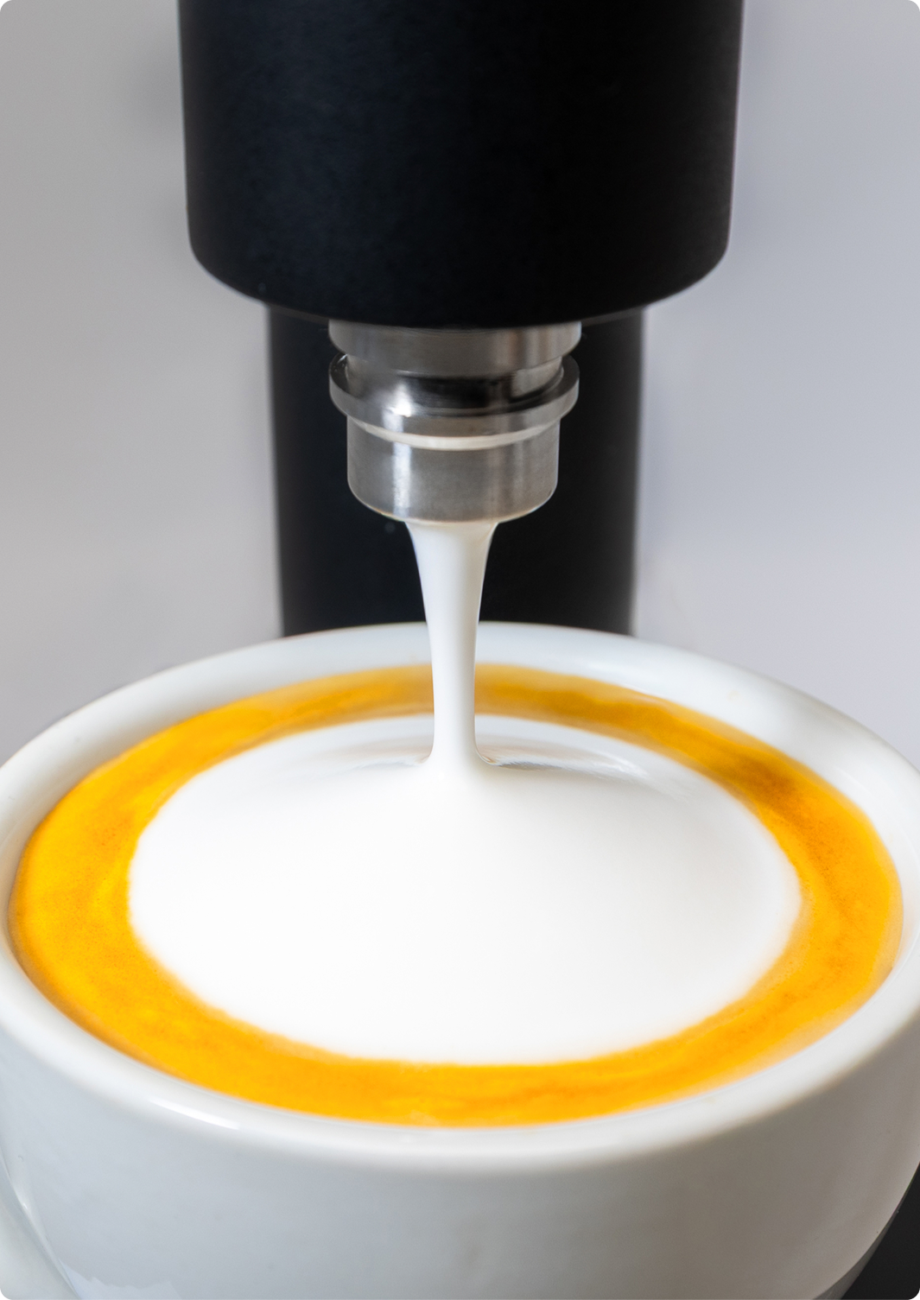
Lavazza used Latte Art Factory to help develop its Signature Cappuccino, featuring an abundant, three-dimensional foam topping. The system delivered the precise milk quantity, temperature and foam texture required for the recipe.
This helped transform a distinctive beverage idea into a drink that teams could prepare reliably at Lavazza’s flagship locations.
8. Cut milk waste by up to 25% and protect your margins
Waste, no one likes it, especially when you are trying to run a business. Baristas often add a small milk buffer to each pitcher to ensure there is enough for steaming and pouring. This is a cautious and understandable part of manual steaming, but the unused milk can add up quickly.
Luckily, the Latte Art Factory saves the average coffee shop up to 25% on costs associated with milk wastage. The machine is automatically calibrated to froth the exact amount of milk needed for each drink, which is much more sustainable for your business and the environment.
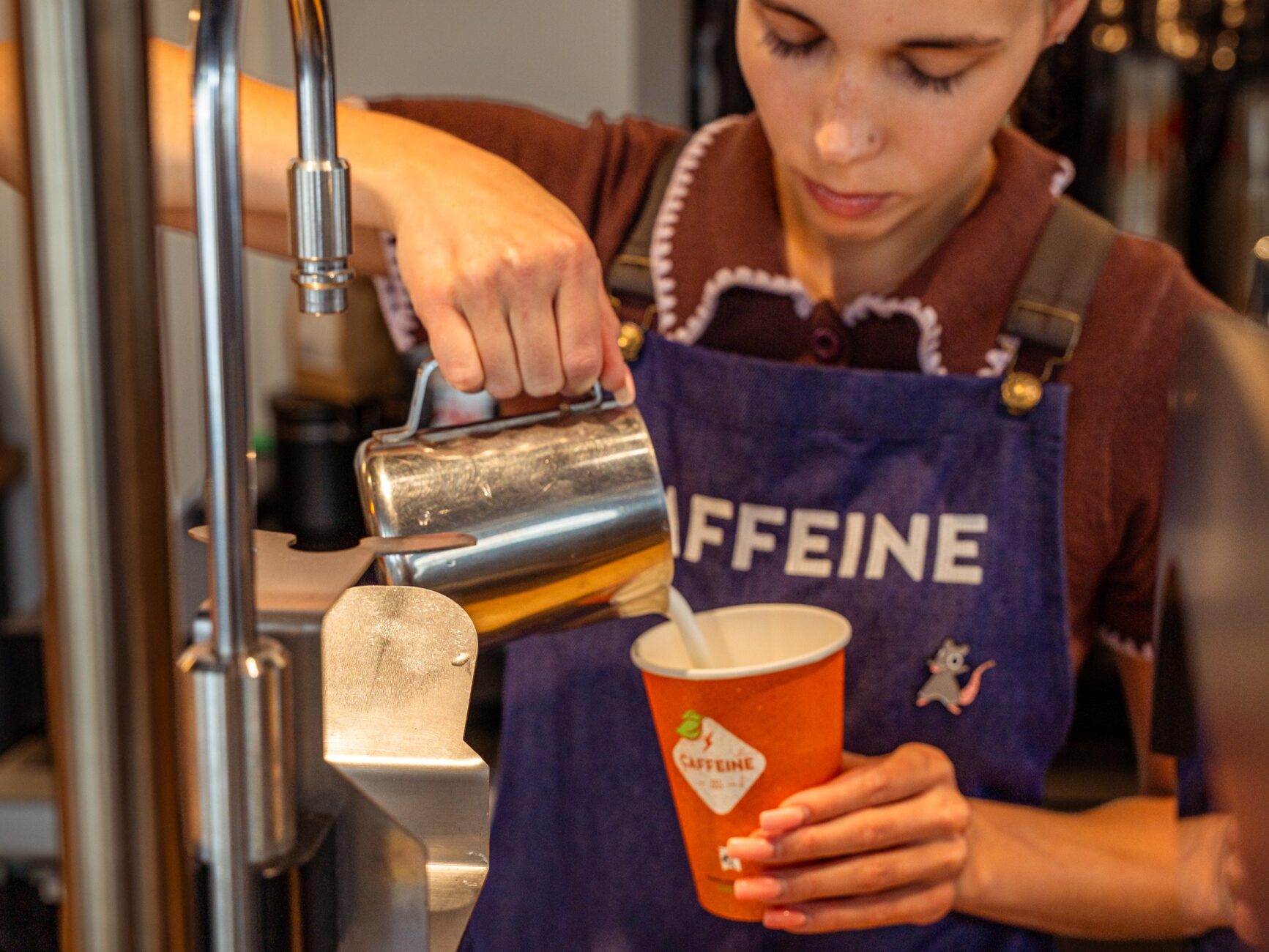
At one Caffeine outlet, baristas prepared 140 milk-based drinks each day. The additional milk poured into each pitcher resulted in roughly 16 litres of unused steamed milk daily.
After introducing automated, recipe-based dispensing:
Milk consumption fell from 42 to 26 litres per day
Milk waste decreased by 40%
The outlet saved approximately 5,800 litres of milk annually
Estimated annual savings reached €5,800 at one location
At ten comparable locations, that could represent approximately €58,000 in annual savings, although actual savings will vary by drink volume, milk price and current waste levels.
Precise dispensing ensures that each recipe receives only the amount of milk it needs. This can make milk-waste reduction a measurable margin and sustainability initiative.
9. Make Plant-Based Milks Easier to Foam
In addition to the technical challenges of milk foaming, baristas also face the challenge of foaming plant milks. It can be difficult to create the ideal milk foam every time, even for experienced baristas. This is because the temperature and texture of the milk can vary depending on the type of milk used, the freshness of the milk, the fat and protein content, and the temperature of the steam wand.
The Latte Art Factory knows its milk. With smart calibration, it assesses each type of milk’s characteristics and adjusts the settings accordingly. So whether you’re using dairy or plant-based milk, you’re covered when it comes to perfect milk texture.
Froth dairy milk, oat, soy, and more, the Latte Art Factory commercial milk frother even allows you to froth two kinds of milk at the same time. What’s more, you can customize your menu to include cold drinks like nitro cold brew, hot drinks as well as latte art ready milk foam on demand.
10. Preserve the Milk’s Natural Flavor Profile
Latte Art Factory uses pressurized air instead of steam to create smooth, textured milk foam.
Why is that important?
Traditional steam wands introduce steam into the milk during heating and texturing. Because Latte Art Factory textures milk without injecting steam, it avoids adding water and helps preserve the milk’s natural flavor and sweetness.
Precise temperature control also reduces the risk of overheating, which can alter milk proteins, reduce nutrients and leave a bad taste.
With Latte Art Factory, cafés can set the desired temperature and texture for each recipe and milk type.
The result is milk foam that complements the coffee, helping cafés deliver a more balanced and repeatable beverage experience.
Is a Commercial Milk Frother Right for Your Business?
A commercial milk frother may be worth investing in if your cafe is experiencing:
Inconsistent drinks across shifts or locations
Long waits during rush hours
A high percentage of milk-based drinks
Difficulty hiring or training skilled baristas
Demand for plant-based, cold foam or nitro beverages
A need to standardize recipes across locations
The best place to start is with your current numbers.
Start by measuring:
Milk-based drinks sold per day
Drinks produced per hour during peak periods
Average beverage wait time
Milk purchased versus milk sold in drinks (milk waste)
Training time for new employees
Turn Milk Foam into a Business Advantage
A commercial milk frother should do more than produce perfect milk foam.
It should also help the coffee business serve customers faster, reduce milk waste, simplify training, maintain consistent quality and also unlock new menu opportunities.
What could automated milk preparation change in your operation?
Reduce training costs and dependence on skilled baristas
Turn better quality and service into stronger customer loyalty
Expand your menu and bring signature drink ideas to life (without complexity!)
Cut costs from milk waste by up to 25% from over-pouring, mistakes, spilling
Make all plant-based milks easier to foam
Maintain the milk’s full flavor profile (by not using steam!)
Caffeine is not your average coffeehouse chain. Operated by Reitan Convenience, one of Europe’s most recognized retail and hospitality groups, Caffeine has built a strong reputation as a go-to destination for quality coffee and a warm, authentic café experience. At their Riga outlet, that reputation is upheld cup after cup, an average of 180 cups per day, with 70% of all beverages being milk-based. That’s a lot riding on every pour.
For coffee businesses where milk-based beverages make up the majority of sales, milk waste reduction in cafés can have a significant impact on profitability.
After nearly two years with Latte Art Factory‘s automated milk foam solution for both hot and cold beverages, the results speak for themselves.
The challenge: scaling milk-based drinks without scaling waste
When the majority of your drinks require precisely steamed milk, the stakes behind the bar are high. Before adopting LAF, Caffeine’s baristas were doing what any skilled team does: playing it safe. To avoid under-steaming, they would manually pour 100–150 ml more milk than each drink required into the pitcher which is a small precaution that made complete sense in the moment but quickly added up to a significant cost.
With 130–140 milk-based drinks served per day, that safety buffer translated to roughly 15–17 litres of steamed milk discarded daily*. Milk that was heated but never made it into a cup.
*Daily milk consumption was estimated at 42–43 litres.
As Karlis Zeps, Head of Coffee Quality at Reitan Convenience, puts, “Every single milk-based drink came with built-in waste.”
Something had to change.
Latte Art Factory: the solution that transformed milk waste
Since installing LAF, Caffeine’s milk consumption has dropped from 42 to 26 litres per day.
“Since we installed LAF, our milk wastage has reduced by 40%,” Karlis confirms.
40% is a significant reduction and changes how milk moves through the operation. That figure alone tells a compelling story.
Over the course of a year, saving 16 litres of milk a day adds up to 5,800 litres, which translates to €5,800 saved annually at a single outlet. Now at chain scale, across just ten Caffeine locations, that figure reaches €58,000 annually, money that was previously poured down the drain with every over-poured pitcher. That’s the equivalent to a deposit on a new flagship store or a full equipment refresh across the network.
It all starts with a single machine, behind a single bar, doing one thing exceptionally well: using only the milk each drink actually needs.
For operators exploring milk waste reduction in cafés, Caffeine’s results illustrate how small daily savings can translate into meaningful annual impact.
Perhaps the change most celebrated by the team is what LAF gave back to their baristas: time.
“Baristas are pleased with LAF because they have more time to do more things behind the bar. Plus, training new staff is significantly faster because milk preparation is no longer the bottleneck skill,” Karlis Zeps shares.
Before LAF, manual steaming required full attention and both hands. It was a task that anchored a barista in place. With LAF running milk preparation, the bar has fundamentally changed. Baristas can now pull espresso shots, handle the next order, and engage with customers. All while a milk-based drink is being prepared simultaneously.
During peak hours, where Caffeine handles up to 25 cups per hour, this parallel workflow is essential. Queues move faster. Customers wait less. And critically, baristas have time for the interactions that define the Caffeine brand experience: recommending drinks, engaging with customers, upselling.
Unlocking the menu customers now expect
Here’s where the LAF story gets particularly exciting for Caffeine. Before adopting the machine, nitro cold brew was not on their menu. They didn’t have the equipment, nor the workflow capacity, to introduce it consistently at scale.
LAF changed that entirely.
“LAF gives us many options to prepare hot and cold drinks and also serve nitro cold brew drinks. It is a must nowadays!!!” Karlis explicitly commented.
And they mean it. Nitro Cold Brew isn’t just a trendy addition, it’s one of the highest-margin drinks a café can put on its menu, typically commanding a price point 30–50% above a standard cold coffee. It attracts a younger, experience-driven customer base that didn’t previously have a reason to walk through the door. It generates the kind of visually striking, cascading pour that ends up on social media without any marketing spend. And it signals to every customer who sees it on the menu that Caffeine is a serious coffee destination, not just a convenient stop.
Nitro wasn’t something Caffeine unlocked incrementally. It’s a menu addition that LAF made possible from scratch. In today’s café landscape, where guests expect creative, modern beverage options, it brings clear value by driving new revenue streams, sharpening differentiation and showing how the right equipment can broaden what you’re able to offer.
What impressed Caffeine most?
Beyond the data and the workflow improvements, the Caffeine team points to something more fundamental: LAF is simply a pleasure to use.
The interface is intuitive. Programming is straightforward. Maintenance is effortless. And in a high-volume environment where baristas are managing multiple things at once, that ease-of-use is a necessity.
“With its easy-to-use interface and super easy maintaining and programming, LAF has genuinely impressed us.”
The numbers at a glance
Before LAF
After LAF
Estimated daily milk consumption
~42–43 litres
26.01 litres
Annual cost saving from milk waste (per outlet)
–
€5800
Daily milk discarded (waste)
~15–17 litres
Negligible
Milk waste reduction
–
40%
Nitro Cold Brew on menu
No
Yes
Barista multitasking
Limited
Enabled
A chain-level lesson from a single outlet
What Caffeine has demonstrated at their Riga location is a playbook that scales. Reduced waste, optimized workflows, expanded menu, consistent quality, lower labour friction. Together, these outcomes show how effective milk waste reduction in cafés can create value beyond simple cost savings. These are brand-level advantages, ready to be replicated across every Caffeine location that adopts LAF.
For a group the size of Reitan Convenience, operating across the Baltic region, the compounding impact of those gains across multiple sites is significant.
Are 16 litres of milk disappearing from your operation each day?
Latte Art Factory announces the launch of the LAF Neo, a complete specialty beverage system that fundamentally changes what’s possible at the coffee bar. The system dispenses up to three liquids, an integrated syrup, and a water dilution phase for coffee concentrates, in a fully programmable sequence.
The machine is the direct successor to the LAF Bar Pro, which won the Specialty Coffee Association’s Best New Product Award three consecutive times. The LAF Neo, already a finalist for the Best New Product Award at World of Coffee Brussels, was designed around a problem that hasn’t changed: specialty menus keep getting more complex, but the equipment behind the bar hasn’t kept pace. Today’s consumers expect more than great coffee. They expect choice.
From plant-based and flavored drinks to cold specialties, beverage menus continue to expand. Yet most operations are limited by space, complexity and equipment.
LAF Neo handles all of it as one automated sequence: liquid selection, foam texture, temperature (4-75℃), syrup dosing, and water dilution, in the order you define, at the volumes you set. All in a single, complete beverage system.
The freedom to create unique beverage experiences at scale
At its core, LAF Neo supports up to three liquids simultaneously, any combination of dairy, plant milk, coffee concentrates, cold brew, matcha and more. An integrated syrup module doses directly into the drink sequence. A built-in water dilution phase handles cold brew ratios without manual intervention. Up to five programmable phases per recipe control the sequence, volume, temperature, and foam texture of each element at the touch of a single button.
A seasonal oat milk caramel latte, a cold brew concentrate diluted to the perfect ratio and finished with cold solid foam, a layered latte macchiato with a vanilla syrup, or a dairy-free iced strawberry matcha latte can all be built once and reproduced identically, by any barista, on any shift, across any number of locations.
The drink your head barista invented on Tuesday gets saved and reproduced identically by anyone on any shift, seasonal menus, multi-milk offerings, and flavored specialties all automated and consistent.
Addressing the industry’s real pressures
LAF Neo ships in a fully fridgeless configuration, connecting directly to a venue’s existing refrigeration rather than requiring a proprietary undercounter unit. Locations with high daily output can benefit from higher fridge volume while remaining compact, unlike with competing solutions. The machine is 18% smaller than the LAF Bar, with a redesigned single-column form, and a flat rear surface prepared for venue branding. For operators in boutique cafés, hotel bars, kiosks, and mobile concepts where footprint is crucial, this is the ideal solution.
Additionally, the updated software introduces four-tier access control: Barista, Manager, Owner, and Technician. Recipes are locked at the appropriate tier, so the drink built at location one is identical to the drink served at location fifty. For multi-site operators, this means that recipes and settings stay protected across locations.
Built on what already works
LAF Neo is built on the patented milk foam technology with temperature precision, consistent texture control, and an NSF and HACCP-compliant cleaning system from the Latte Art Factory range.
Latte Art Factory operates across more than 60 countries, in venues ranging from independent specialty cafés to chains with over 500 locations, including Lindt, Shell Cafe, Caffeine, Lavazza, and 5 to go.
Meet Latte Art Factory at World of Coffee Brussels!
Experience the LAF Neo firsthand at World of Coffee Brussels June 25 – 27. Visit booth 7324, where you can see how the LAF Neo raises the bar in beverage systems. Sales expected to start from end of 2026.
Not able to make the trip to World of Coffee Brussels this year? Follow along on our Instagram, or explore our LAF Neo web page.
When you think of gas station cafés, you might picture quick stops and convenience. But Coral Croatia, the licensee operating SHELL Café across Croatia, has a different vision — a place where every coffee feels like it’s made by a barista, even in the middle of a rush hour.
With over 5 of the busiest outlets now powered by Latte Art Factory, SHELL Café in Croatia is redefining what customers can expect from a highway stop: consistency, speed, and barista-level quality — every single cup.
Meeting High Demand Without Compromising Quality
Across these high-traffic SHELL Café locations, it has been noted a substantial increase in daily preparations of beverages. That’s a huge challenge — especially when most staff are not professional baristas but versatile team members who handle food preparation, cashier duties, and customer service.
“We serve a lot of milk-based drinks — around 80% of our coffee orders — so getting milk texture and temperature right with speed is crucial,” explains Lana Trampus, Gastro Category Manager at Coral Croatia. “The Latte Art Factory makes that easy and consistent, no matter who’s behind the counter.”
Faster Workflow, Happier Staff, Better Coffee
Before adopting LAF, training staff to make quality milk beverages took time and practice. Now, the process is instant. The automated milk system ensures perfect microfoam and temperature every time, reducing human error and allowing staff to focus on other tasks — from serving food to customer engagement.
“Since day one, the team was thrilled,” says Lana. “It makes their lives easier, reduces training time, and gives them confidence. Any staff member can now deliver top-quality beverages — and that’s a big win for us.”
In high-turnover environments like service stations, reducing training time is a major advantage. LAF has helped streamline operations, cut milk waste, and simplify beverage preparation — all while maintaining a faster workflow during peak hours.
A Noticeable Difference for Customers
The results didn’t just stay behind the counter. Customers immediately noticed the improvement in quality and texture. Many began returning more often — and Coral Croatia’s loyalty program engagement increased notably after the LAF installation.
“We see more repeat visits and hear from customers that our coffee tastes better than ever,” says Lana. “They come back for the quality — even at a gas station café!”
Top 3 Benefits Noticed by Coral Croatia
Reduced Training & Easier Operation – Anyone can prepare premium beverages from day one.
Consistent Taste & Texture – Every cup tastes just as good as the last, regardless of who prepares it.
Raising the Bar for Gas Station Cafés
By introducing Latte Art Factory, Coral Croatia has elevated SHELL Café’s brand image — transforming the perception of what a gas station café can be. Customers now associate SHELL Café not just with convenience, but with quality coffee experiences that rival city cafés.
“This innovation helps us stand out,” concludes Lana. “It supports our staff, delights our customers, and truly levels up our brand.”
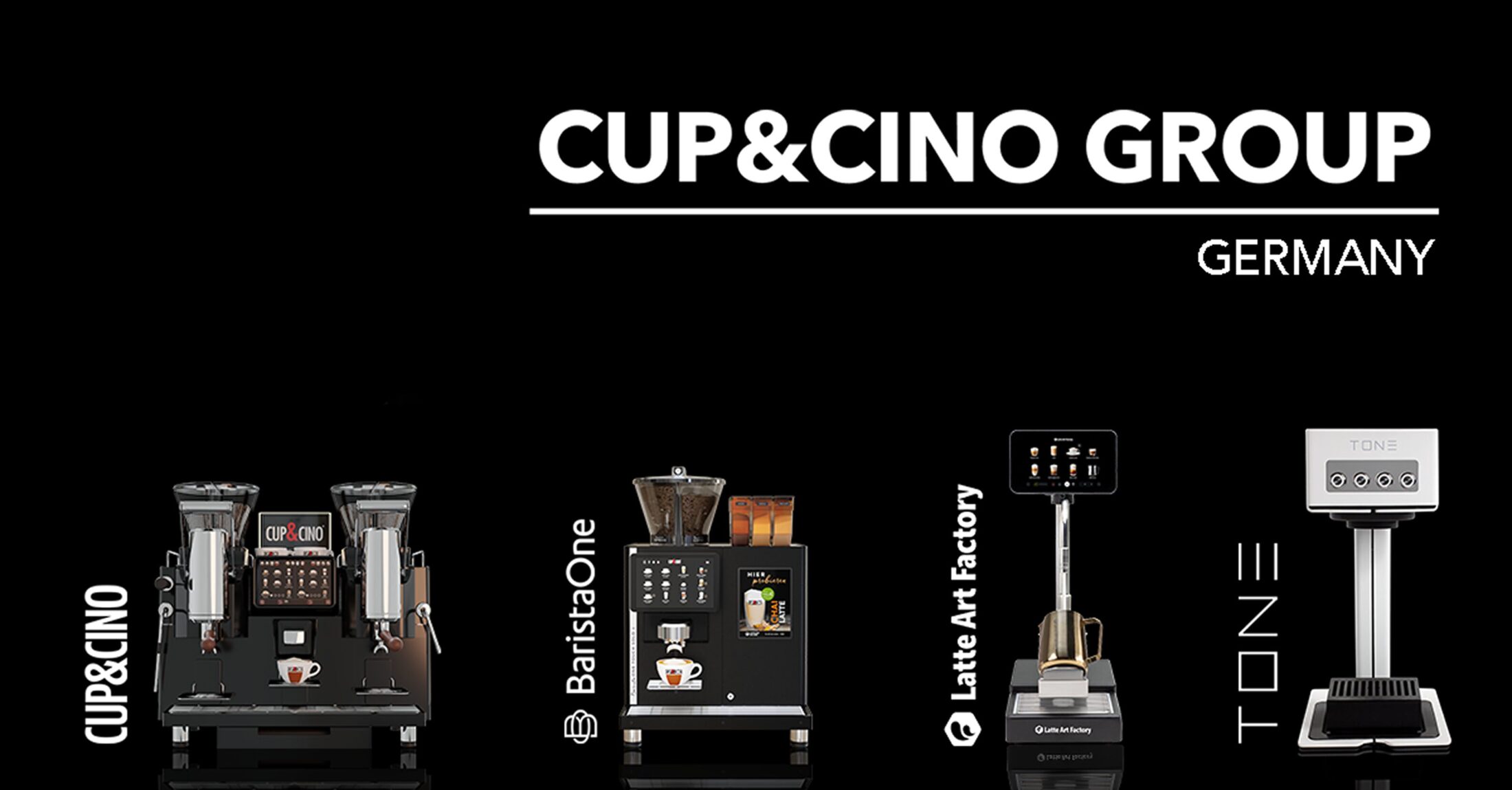
Hövelhof, 21 November 2025 – CUP&CINO is excited to announce the acquisition of the TONE brand. The global distribution network for TONE coffee systems will be fully integrated into the CUP&CINO GROUP. CUP&CINO, headquartered in Hövelhof for 30 years, is making a clear statement with this move: consolidating expertise and expanding its international distribution network. Financial details of the transaction were not disclosed.
With the integration of TONE, the CUP&CINO GROUP grows to a total of four strong brands: CUP&CINO, Latte Art Factory, BaristaOne, and TONE. While CUP&CINO operates as a concept provider in Germany and Austria, Latte Art Factory, BaristaOne, and TONE form the International Division – focusing on technological excellence in the coffee industry.
Two Innovation Leaders Combine Their Strengths
Expanding the product portfolio is a strategic step to create targeted synergies for customers worldwide. TONE is known for its state-of-the-art, energy-efficient brewing systems and minimalist Swiss design, which combines functionality and sustainability. TONE machines set standards in precision, temperature control, and energy efficiency – making them a perfect complement to the milk and coffee systems from Latte Art Factory and BaristaOne.
“With TONE, we are expanding our portfolio with the leading brewing technology in the batch coffee segment – a missing puzzle piece that completes our vision of being a holistic solution provider for the coffee industry,” explains Frank Epping, Founder and CEO of the CUP&CINO GROUP. “Together, we will offer our customers everything from a single source – from the perfect milk solution and fully automatic machines to the most innovative brewers in the industry.”
Shared Values and a Common Vision
Both CUP&CINO and TONE stand for continuous technological innovation, the highest quality equipment, and a premium experience for their customers. The combination of these values forms the foundation for sustainable growth, expanded market presence, and the strengthening of existing partnerships.
“The integration of TONE in our portfolio fits perfectly in pursuit of quality, reliability, and innovation,” adds Sven Keysers, CEO of the International Division at CUP&CINO. “It’s not just about expansion, but also about building trust – cup by cup and relationship by relationship. Ultimately, it’s all about the customer experience: providing people worldwide with an exceptional coffee experience that combines technology, craftsmanship, and emotion.”
Holger Welz, founder of TONE, also emphasizes: “I am pleased that TONE technology and products can now be integrated into a larger portfolio of premium products and that the CUP&CINO GROUP shares our values and will consistently drive technological advancement and the international distribution of TONE products. This partnership opens up new opportunities for our customers worldwide.”
Continuity and Integration
The TONE team will be integrated into the CUP&CINO GROUP. Existing partnerships and business relationships will continue unchanged. Customers will also benefit from the expanded product portfolio and the global network of the Latte Art Factory and BaristaOne brands.
In the short term, the focus is on the seamless integration of the team and the successful continuation of ongoing projects with existing TONE partners. In the long term, the group aims to become one of the world’s leading providers of premium coffee technology with complete solutions from a single source.
The morning rush is intense. Orders are flying, and you’ve got a pitcher of steamed milk that’s been sitting too long. The foam has separated, and it’s no longer silky smooth. The temptation to give it a quick blast from the steam wand is strong, but resist.
Resteaming milk is a common shortcut that harms your coffee quality and your customers’ experience. Here’s why you should avoid it.
What happens when you steam milk correctly
Proper steaming has two goals:
Heating: Steam heats the milk while creating a vortex that unfolds proteins
Texturing: These proteins trap air, creating stable, dense microfoam
The result? Silky, glossy, sweet milk with integrated foam, perfect for latte art and delicious coffee.
Why resteaming ruins everything
It burns sugars and denatures proteins
Fresh milk steamed to 140-150°F (60-65°C) breaks down lactose, enhancing natural sweetness. Resteaming pushes milk far beyond this temperature, burning the sugars and creating a sulfuric, eggy taste. The proteins denature, losing their ability to hold air—you get bubbly, stiff, separated foam instead of silky microfoam.
The texture falls apart
Resteaming doesn’t reintegrate foam—it destroys it. Instead of smooth, velvety texture, you get large, airy bubbles on top of thin, watery milk. This dry, clumpy foam separates instantly and makes latte art impossible.
You lose the creamy mouthfeel
Overheating breaks down fats, leaving beverages thin and lifeless. That luxurious texture customers expect from specialty coffee? Completely gone.
The industry standard
The Specialty Coffee Association (SCA) emphasizes precision, consistency, and quality. Their barista training focuses on steaming the correct amount of fresh, cold milk for each drink. Resteaming contradicts everything the SCA stands for because it sacrifices:
Taste
Texture
Temperature
A modern solution
Traditional steam wands create challenges during busy service. The Latte Art Factory offers an innovative alternative with steam-free foaming technology:
Consistent Quality — Perfect velvety microfoam at the touch of a button, preserving milk’s natural sweetness without overheating
Works with Any Milk — Creates ideal texture whether you’re using cow’s milk, soy, oat, or almond
Precise Temperature Control — Settings from 4°C to 75°C enable hot and cold beverages with perfect flavor
Reduces Waste — Portion control cuts milk waste by up to 25%, lowering costs and improving sustainability
Easy for All Staff — Intuitive interface requires minimal training while ensuring consistent results
The Bottom Line
Quality matters in specialty coffee—from bean selection to milk preparation. Rather than taking shortcuts with resteaming, invest in solutions that deliver consistent excellence. Steam-free foaming technology preserves milk quality while improving speed, reducing waste, and freeing your baristas to focus on customer service and beautiful latte art.
Every cup deserves optimal milk quality. Make it happen.
In today’s café environment, hygiene is essential, not just for compliance, but for building trust with customers and ensuring consistent drink quality. Whether using a traditional steam wand, or the Latte Art Factory, the design of the system plays a major role in supporting food safety and operational efficiency.
The Latte Art Factory is the most hygienic milk foaming solution on the market because it automates all cleaning processes, eliminating operator error and ensuring consistent hygiene with minimal effort. Unlike other automated systems that still depend on manual purging, cleaning routines, or staff diligence, the Latte Art Factory features built-in flushes after every drink, automatic daily cleaning cycles with approved agents, and system lockouts if protocols aren’t followed. It is also NSF certified and logs every cleaning action for full traceability and HACCP compliance, making it effortless for staff and worry-free for operators.
Many milk foaming systems follow hygiene best practices through scheduled CIP (clean-in-place) cycles and start-up rinses. These approaches are effective when followed consistently, but typically require manual initiation and tracking. This can introduce variability in daily operations, especially during busy shifts or across multiple users.
Latte Art Factory: hygiene built into every step
Latte Art Factory is designed to reduce variability by automating key hygiene steps:
Automatic water flush after each drink
Timed daily CIP cycles using approved cleaning agents
Built-in system lock if cleaning is overdue
Full digital log of all hygiene activity for easy audit readiness
Avoid triggering intolerances or allergic reactions (certified by third-party)
These features ensure cleaning protocols are not only performed regularly but also fully integrated into the workflow, helping to meet strict food safety standards with ease.
Steam wands: effective, but manual
Traditional steam wands are a proven tool in coffee service, but maintaining hygiene depends entirely on manual routines: purging after each use, soaking components, and monitoring residue buildup. Without regular cleaning, milk residue can cool within the wand and become a risk area for microbial growth, particularly during low-volume periods.
While steam sterilizes external surfaces, internal areas may not reach the same level of hygiene without deeper disassembly and cleaning.
A side-by-side comparison
Aspect
Latte Art Factory
Other automated systems
Steam wand
Automatic flush after drinks
✅ Yes
❌ Not standard
❌ Not built-in
CIP enforcement
(compliant with requirements for automated solutions)
Hygiene in cafés is a shared responsibility between tools, workflows, and people. Systems that automate key cleaning steps reduce operational complexity and support teams in maintaining high hygiene standards throughout the day.
Latte Art Factory makes hygiene simple, consistent, and trackable, so cafés can focus on delivering exceptional drinks with confidence.
That’s not a hypothetical anymore. It’s already happening in Sweden.
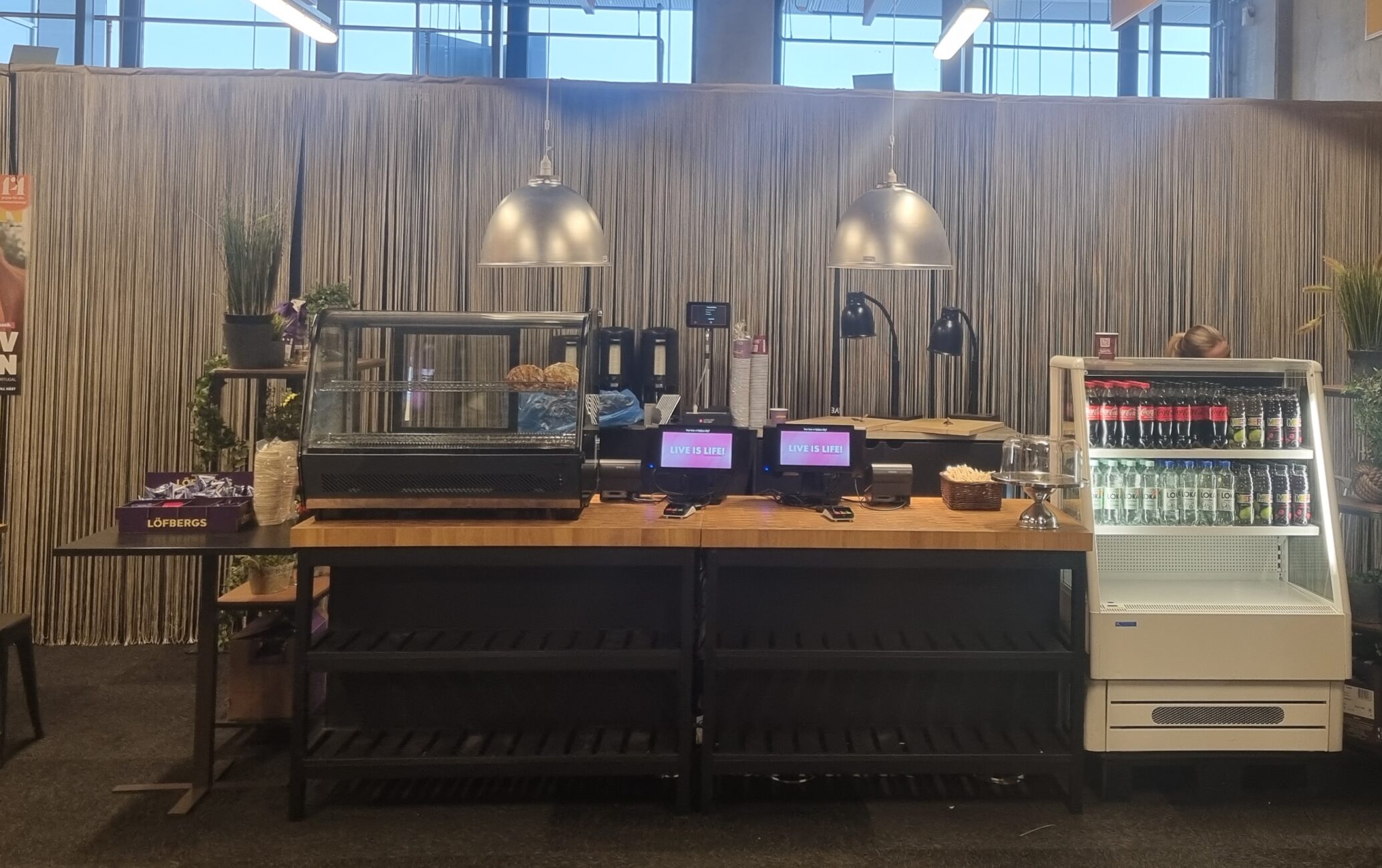
By combining Slow Brew coffeeconcentrate from 3TEMP with milk foaming precision from the Latte Art Factory, this new setup is redefining high-volume coffee service in venues like arenas, event centers, and stadiums.
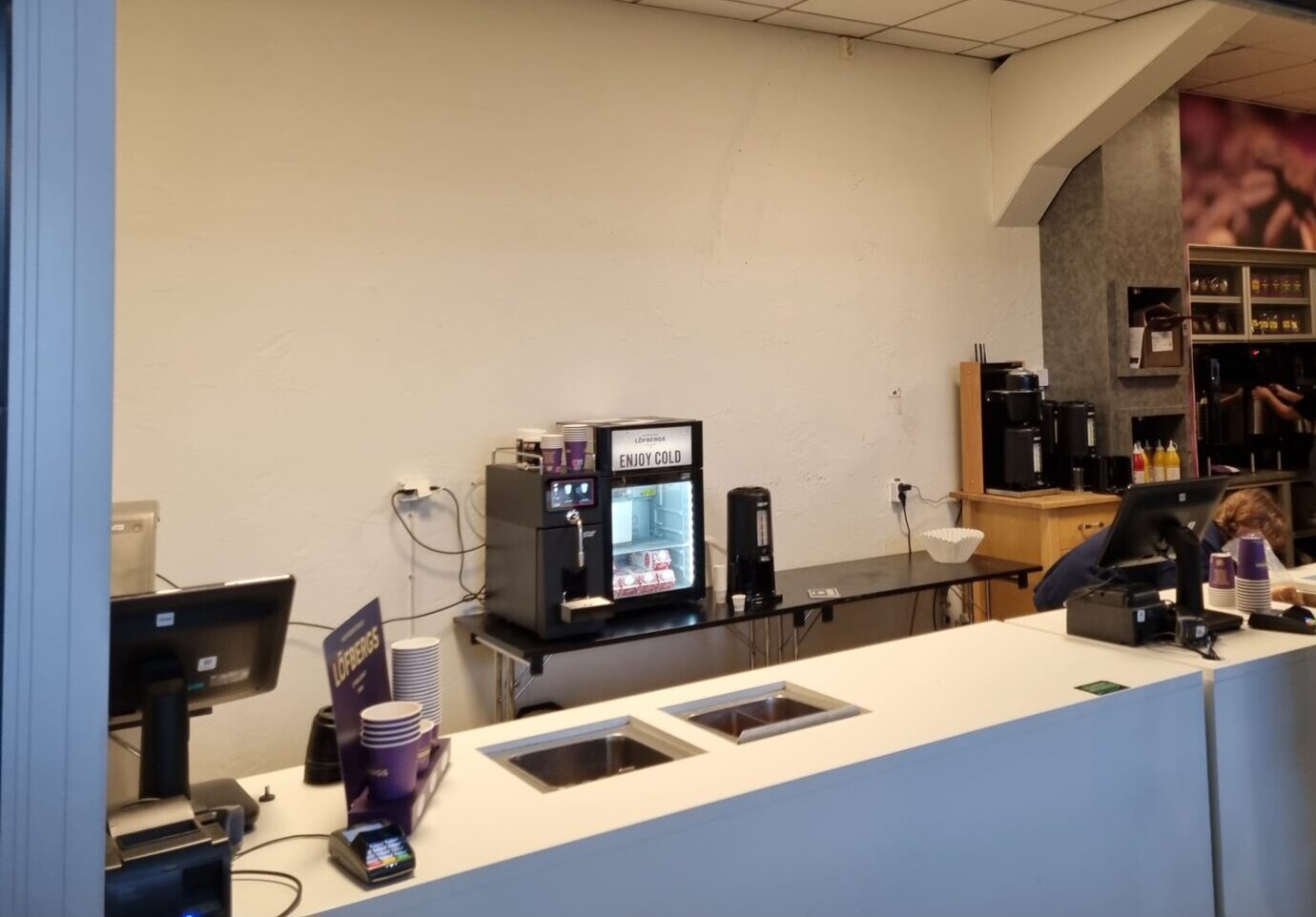
Löfbergs is a Latte Art Factory partner in Sweden.
The Challenge: Scaling Quality in High-Volume Venues
Espresso machines and baristas remain essential to specialty coffee. But in high-traffic environments, like concert halls or sports arenas, traditional café workflows can become bottlenecks.
Speed, consistency, and ease of use become critical. Training new staff for a traditional setup is time-consuming, and equipment downtime or cleaning demands add operational strain.
That’s where this minimal solution shines.
A Smarter Workflow: Slow Brew + Latte Art Factory
This new system supports baristas in environments where speed and scale matter most.
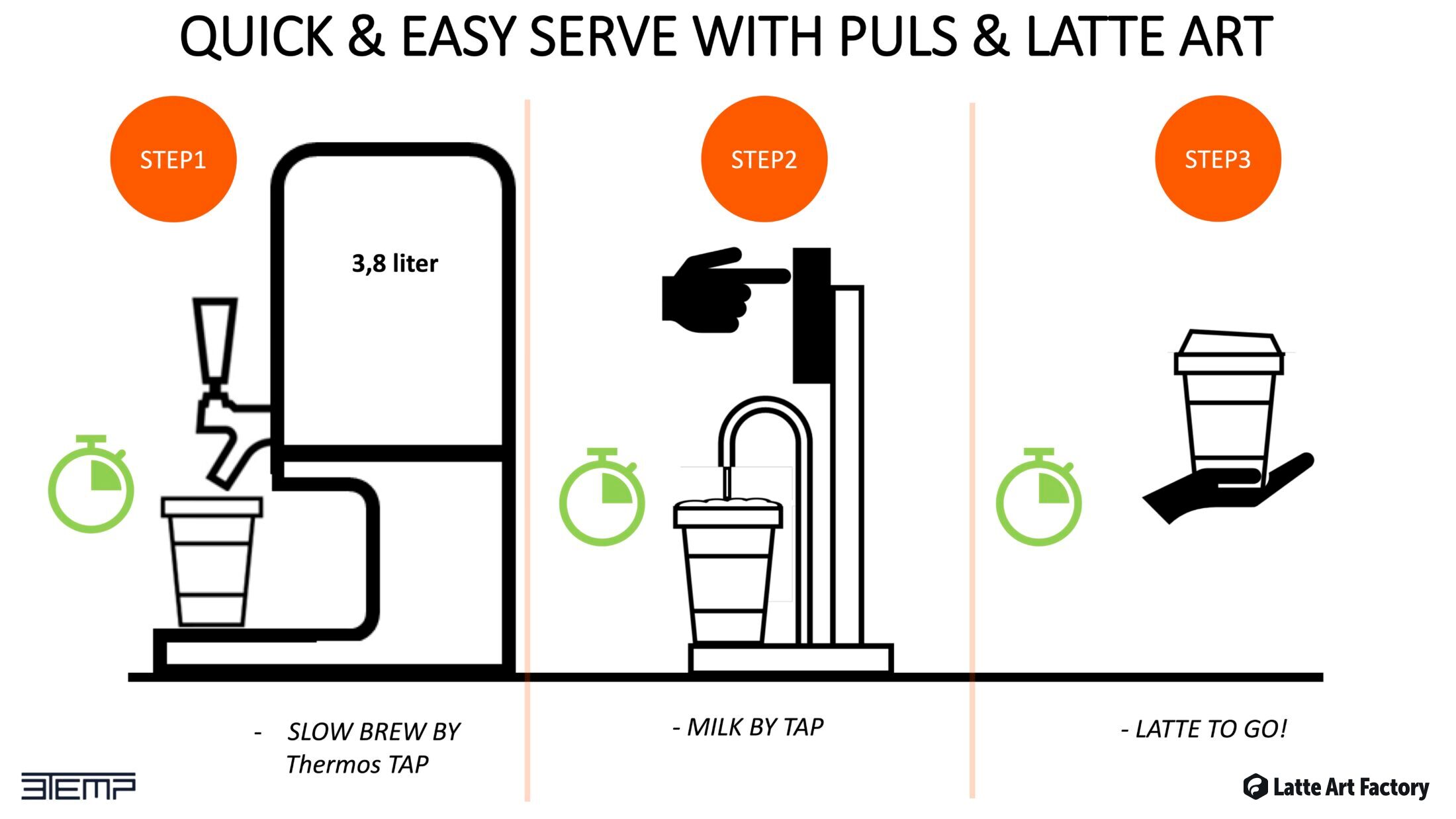
Here’s how it works:
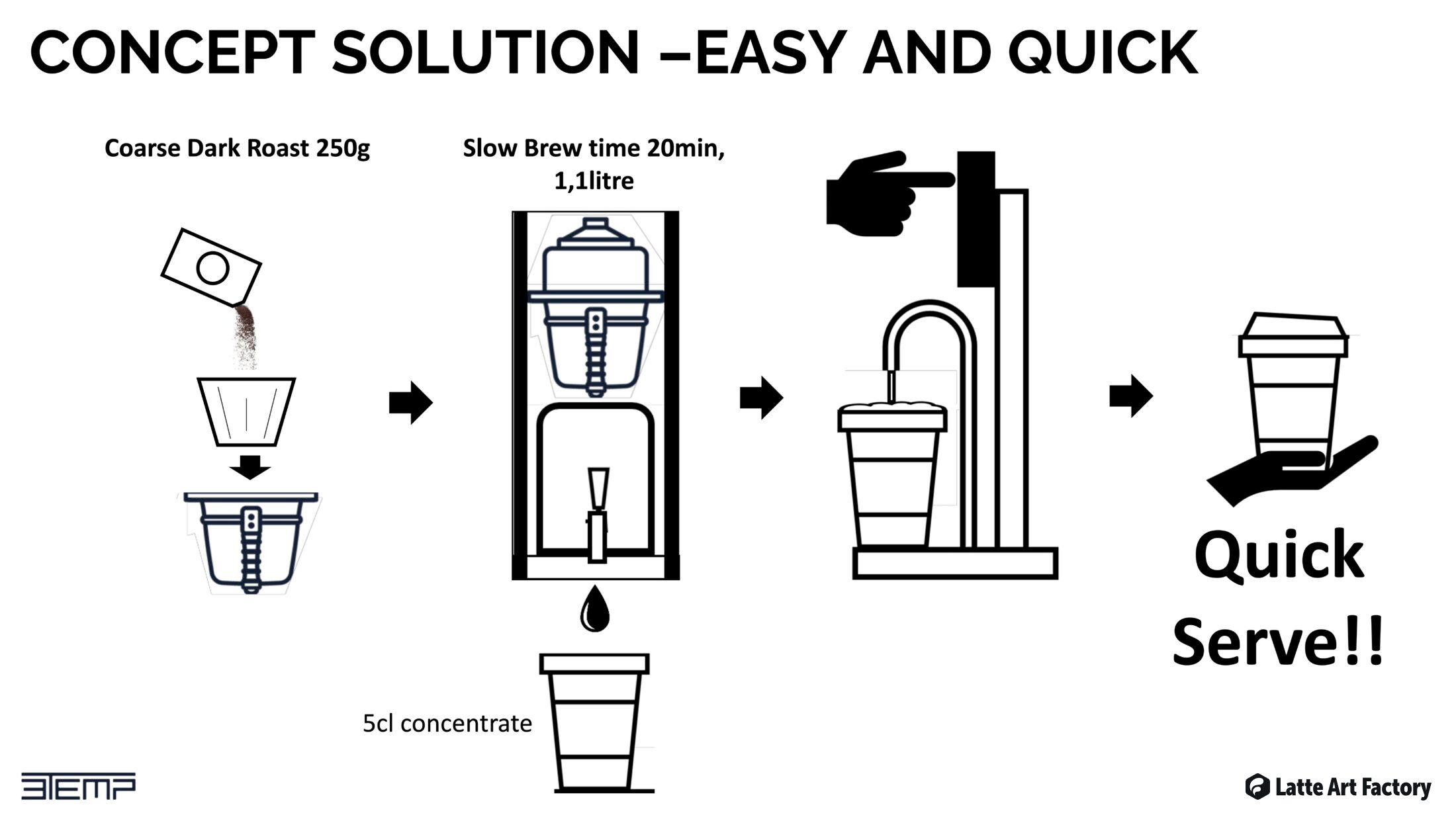
Coffee concentrate is batch brewed using 3TEMP’s Slow Brew system: 20 minutes of brewing yields 1.1 liters of rich, consistent concentrate.
The concentrate is stored in thermoses, ready for service with no need to brew on-demand.
The Latte Art Factory handles all milk texturing (dairy or plant-based) with precision and consistency.
Result? A smooth workflow that delivers high-quality cappuccinos and lattes, at the push of a button.
No tamping. No steaming wand. No espresso station overload.
The LAF Bar at the Strawberry Arena in Stockholm, Sweden
The Skagen Pilot
A second long-term test took place at a café in Skagen, Denmark, running from May to October 2023. The setup consistently delivered around 150 drinks per day, mostly lattes and cappuccinos, without requiring trained baristas. Staff received less than half an hour of training, yet maintained quality and consistency throughout the five-month period.
Reliability was another highlight: the system ran without breakdowns, needing only minor recipe adjustments along the way. With drinks priced at about €5.40 for a 33cl cup, the test confirmed that Slow Brew + Latte Art Factory isn’t just a quick fix for events, but a robust solution for everyday high-volume service.
The results confirmed what the Stockholm pilot showed: high-volume, high-quality coffee service doesn’t need traditional espresso stations or intensive workflows. Even with minimal training, staff delivered consistent results day after day, proving the setup is both reliable and scalable.
Proof in the Pour
At another major event in Stockholm, the setup delivered:
600+ drinks served from just one sales point over a single weekend
Average price: ~5 EUR per cup
One-third of the setup cost recovered in two days
Less than 20 minutes of training required for staff
Customers praised the drink quality (especially for plant-based options) and operators noted how easy and intuitive the system was to use.
Sustainable, Scalable, and Smart
This system is fast, cost-effective, and sustainable:
30% less milk waste
100x lower idle energy use than traditional espresso machines
Shorter training time for operators
Reduced cleaning and maintenance needs
Consistent drink quality all day long
And it scales beautifully: one centralized brew station can supply multiple Latte Art Factory units across an entire venue.
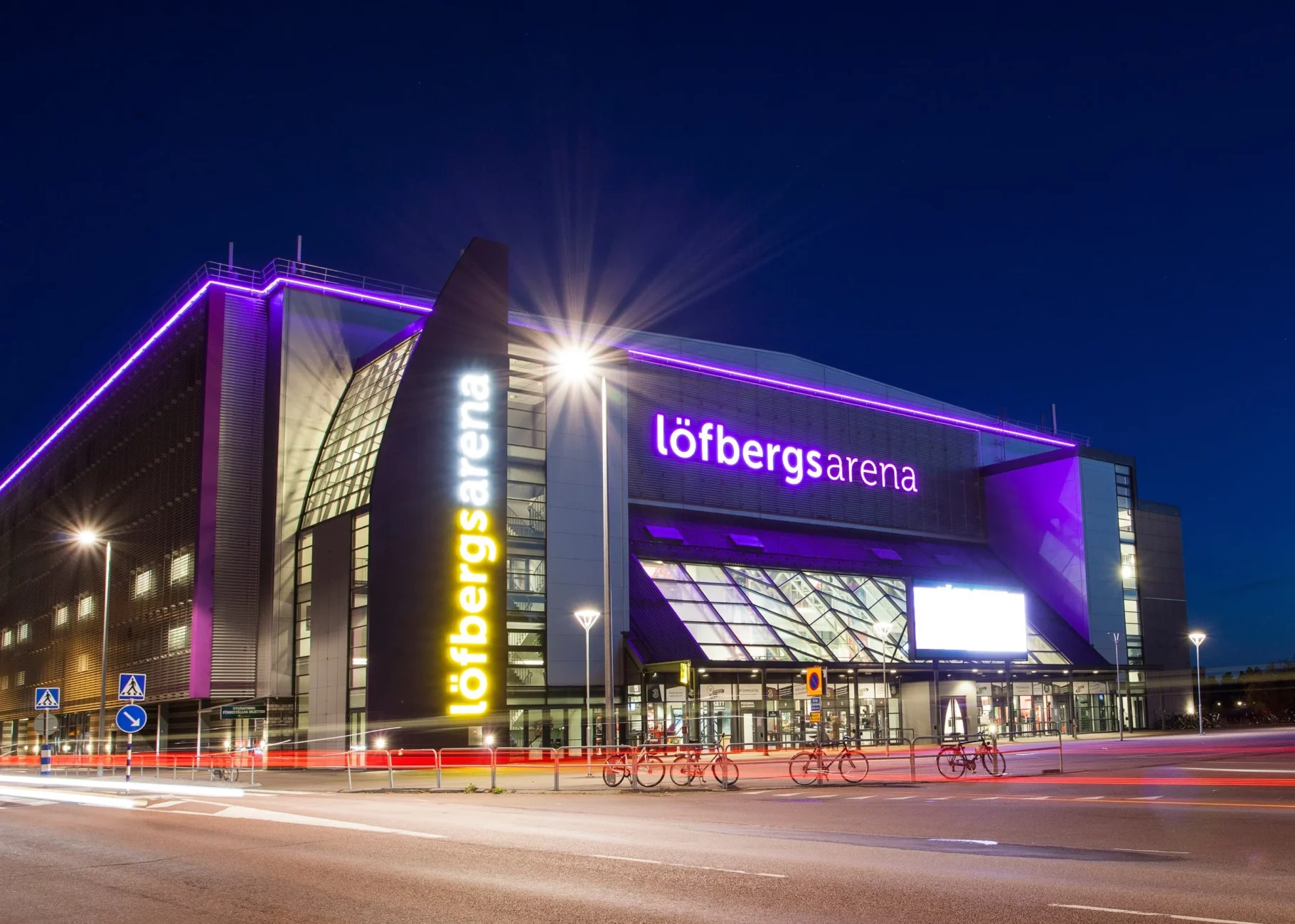
The LAF Bar at the Löfbergs Arena in Karlstad, Sweden
Extending high-quality coffee service into new spaces where traditional setups don’t make sense, like stadiums, conference halls, and festivals, has been a challenge until now.
For these environments, Slow Brew + Latte Art Factory is proving to be a smart, sustainable, and scalable solution.
Curious how this setup could work in your business?
Let’s talk. The minimal setup future might just be your biggest upgrade yet.
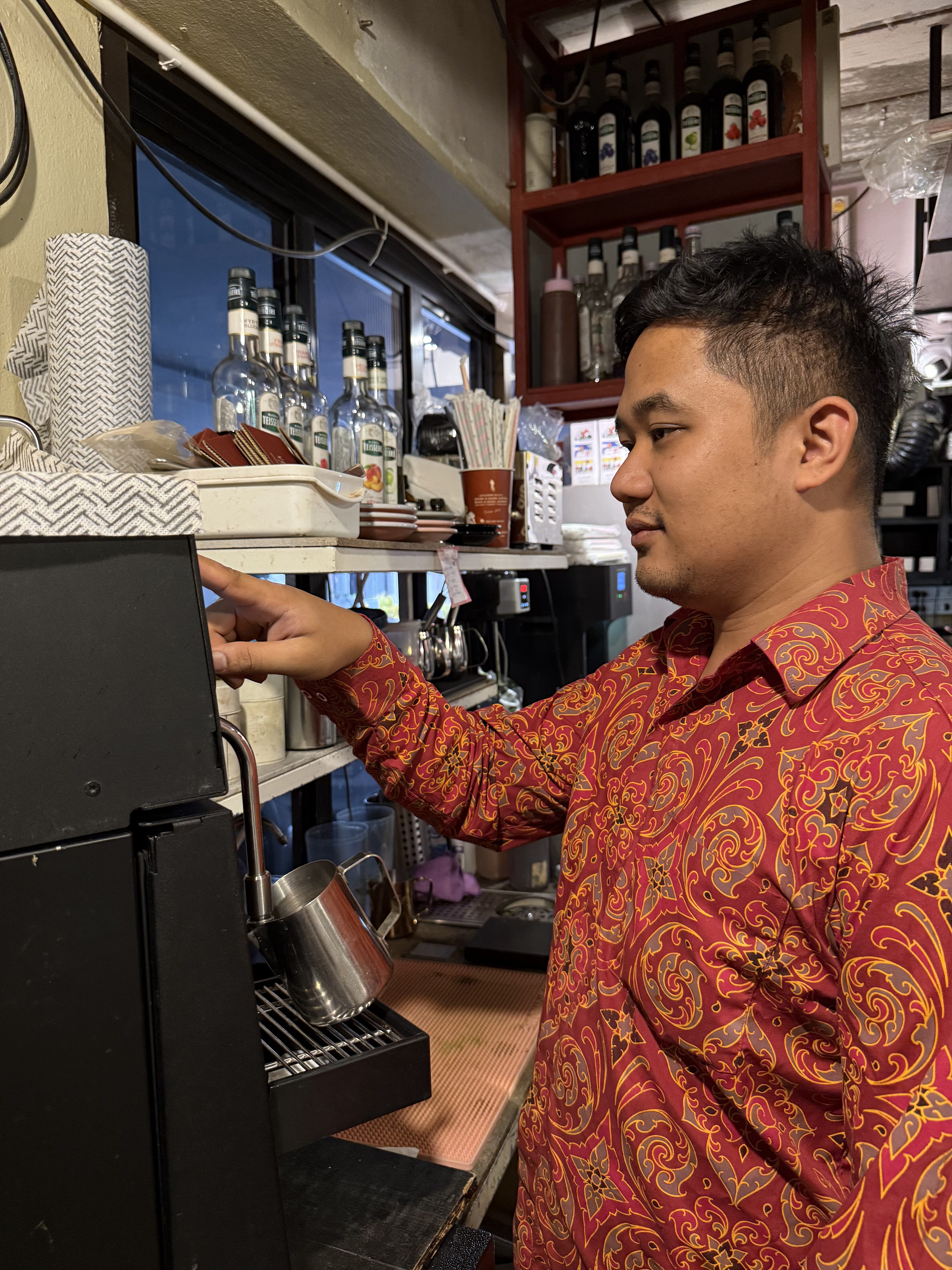
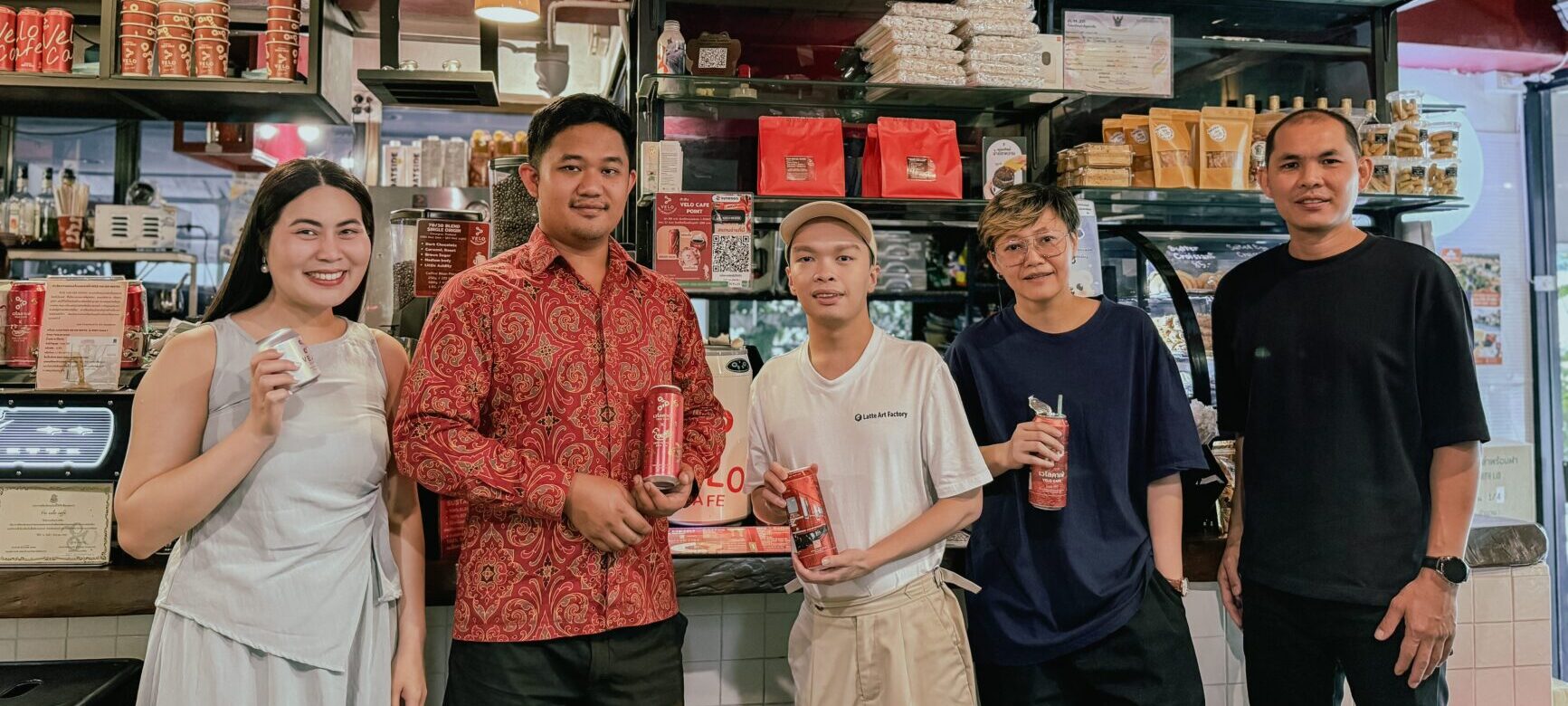
Velo Cafe Huahin is a beloved café in one of Thailand’s top beach towns, which boosts speed, consistency, and sustainability with the help of the Latte Art Factory.
A destination café with a growing reputation
Located in the heart of Hua Hin, one of Thailand’s most popular weekend destinations, Velo Cafe Huahin has built a loyal following among locals and tourists alike. Known as “The Café of Hua Hin,” it’s praised for more than just its beachside charm—it’s a brand rooted in quality, speed, and sustainability. That’s exactly what led the team to discover Latte Art Factory.
Meeting the challenge of volume and consistency
On weekends and holidays, Velo Cafe Huahin can serve up to 600 cups a day—with nearly 80 drinks per hour at peak times. Around 50% of those drinks are milk-based, putting a heavy demand on speed and foam consistency.
“I’ve been looking for a solution that could prepare beverages with just the touch of a button—and I finally found it with LAF,” says owner Nattapon Sarasisang.
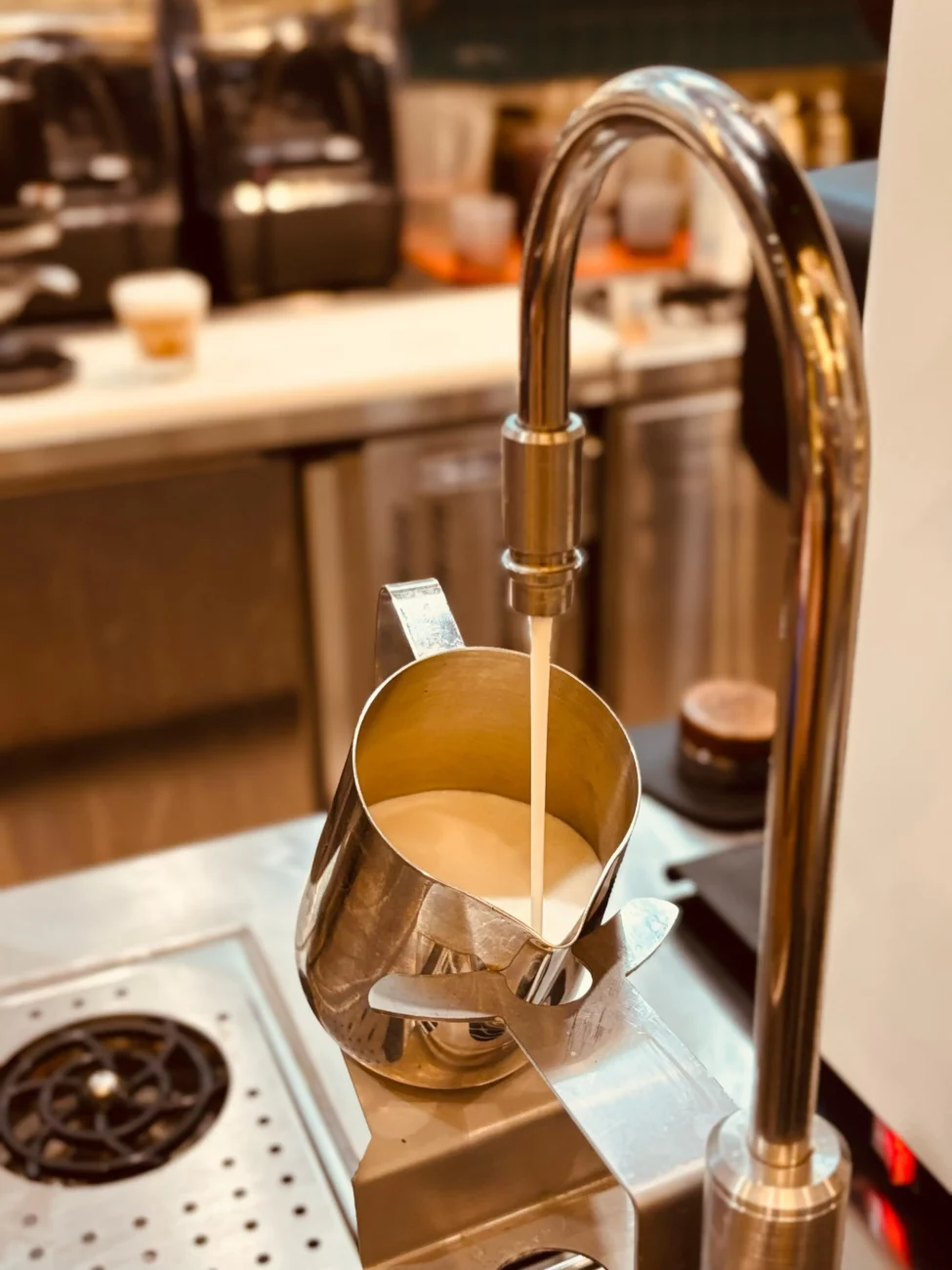
Since installing the LAF PRO, the café has transformed its back-of-bar operations. The machine now handles all milk-based beverages—hot and cold—helping the team keep up with demand without sacrificing quality.
Faster workflows, reliable results
Thanks to automated, high-speed milk dispensing, Velo Cafe Huahin can now serve drinks in under 3 minutes.
“It speeds up our service by 20%–30%,” the owner shares. “It really helps us handle our crazy traffic!”
By eliminating manual steaming, the team no longer struggles with inconsistent foam or temperature issues. With Latte Art Factory, every cup is precisely textured and perfectly heated, no matter who’s behind the bar.
– Nattapon, owner of Velo Cafe Huahin
Saving time, labor, and milk
With recipes stored directly in the system, even new staff can deliver drinks like seasoned baristas. That means less training time, smoother onboarding, and more time spent serving customers. Add to that the fact that it delivers consistency of quality, regardless of the barista’s skill level.
Plus, the precise milk dispensing reduces over-pouring and waste—saving on both ingredients and cost.
Built for sustainability
Sustainability is a core value at Velo Cafe Huahin. All drinks are served in recyclable aluminum cans, and Latte Art Factory supports that mission with a fast, hygienic, and low-waste approach. The machine dispenses milk directly into the cans, allowing baristas to multitask efficiently while minimizing environmental impact.
Designed to scale
With rising demand and a strong local following, Velo Cafe Huahin is growing—and Latte Art Factory is helping them scale without compromising service quality.
“The LAF helps increase the performance and speed of the team to prepare a drink. If the shop has limited staff (2-3 people), this would help to deliver drinks during rush hour quickly, so the customer wouldn’t have to wait long,” says Nattapon.
From speed and consistency to sustainability and profitability, Latte Art Factory is proving to be a perfect fit for this thriving café.
This machine was installed by our partner in Thailand, Boncafe Thailand.
Join the cafés around the world upgrading their workflow. Discover Latte Art Factory and bring consistency to every cup.
How Société uses Latte Art Factory to deliver consistent, premium quality
At Société, a premium brand family of Excelso Coffee in Indonesia, quality isn’t just a goal—it’s the standard. Known for its elevated café experience, Société focuses on delivering premium beverages with exceptional consistency, no matter the day, the drink, or the barista behind the bar. With three outlets now using the Latte Art Factory, the team has found a solution that doesn’t just ensure perfect milk foam—it also simplifies their workflow and makes baristas’ lives easier, every single day.
“The taste stays consistent every day—it makes our workflow easier and keeps quality high,” says Reza, a barista at Société.
Why Latte Art Factory?
From lattes and flat whites to piccolos and cappuccinos, milk-based beverages are an essential part of Société’s menu. In a premium setting, customers expect the same flawless texture and taste in every cup—and that’s where Latte Art Factory excels.
“Because it’s already set, the taste stays consistent—we just need to execute every day,” Reza adds
Designed to deliver perfectly textured milk foam, hot or cold, dairy or plant-based—at the push of a button, Latte Art Factory ensures that baristas can focus on presentation and customer experience, knowing the quality is already taken care of.
More than just consistency—it improves the barista experience
While consistency is key in premium cafés, so is creating a great working environment for the team. For the baristas at Société, Latte Art Factory has made their daily routines simpler and more efficient.
Here’s what they value most:
Consistent milk foam across all drinks and shifts
Faster service and smoother operations during peak hours
Simplified barista training with intuitive, pre-set programs
Reduced milk waste by up to 25%, improving sustainability and margins
More flexibility with hot, cold, dairy, and plant-based drink options
“It’s easy for baristas to use. The presets make everything simple and fast—and the result is always reliable,” Reza explains.
A trusted tool across all Société locations
After introducing Latte Art Factory at one location, Société quickly expanded its use to all three of its outlets, reinforcing the machine’s role in maintaining brand-wide standards. For a premium café concept like Société, that level of reliability and ease of use is key to scaling quality without compromise.
“Latte Art Factory makes my job easier while maintaining the high standards our customers expect,” says Reza.
Want to deliver premium quality—every time?
Reach out today to discover how Latte Art Factory can help your team serve consistently exceptional drinks, simplify workflows, and elevate the entire café experience.
We use cookies to improve your experience. Read our cookie policy or manage cookies.
Functional
Always active
The technical storage or access is strictly necessary for the legitimate purpose of enabling the use of a specific service explicitly requested by the subscriber or user, or for the sole purpose of carrying out the transmission of a communication over an electronic communications network.
Preferences
The technical storage or access is necessary for the legitimate purpose of storing preferences that are not requested by the subscriber or user.
Statistics
The technical storage or access that is used exclusively for statistical purposes.The technical storage or access that is used exclusively for anonymous statistical purposes. Without a subpoena, voluntary compliance on the part of your Internet Service Provider, or additional records from a third party, information stored or retrieved for this purpose alone cannot usually be used to identify you.
Marketing
The technical storage or access is required to create user profiles to send advertising, or to track the user on a website or across several websites for similar marketing purposes.